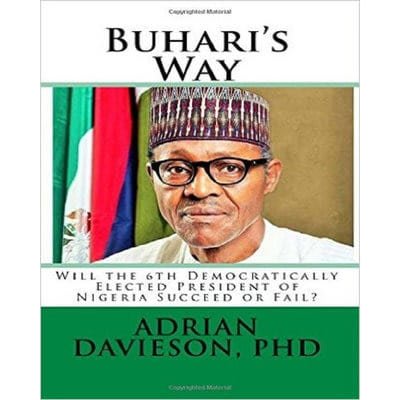
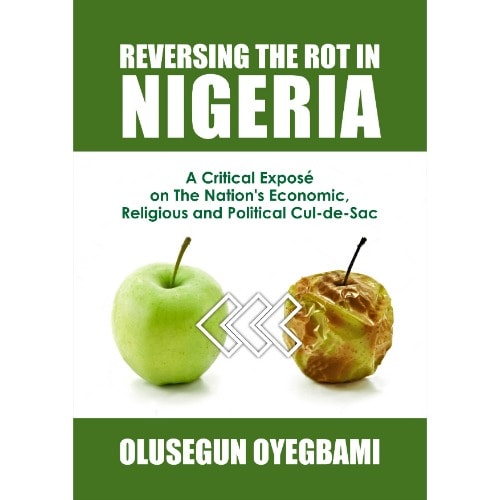
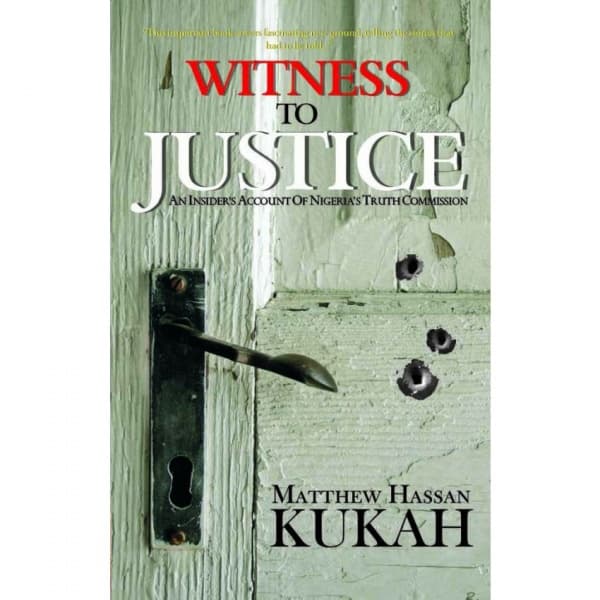
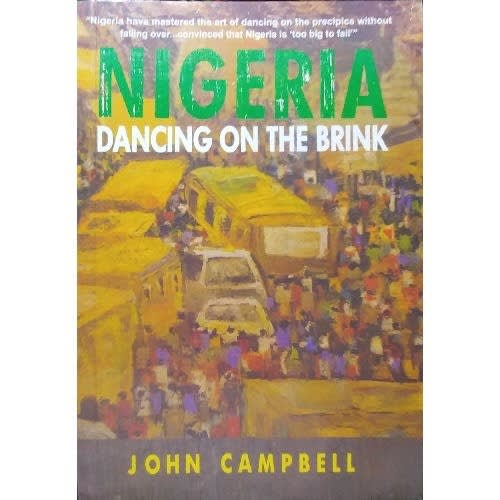
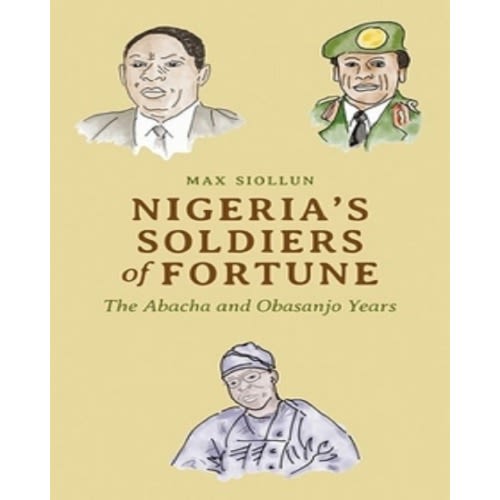
In the cataclysmic decade that is the focus of this book, Nigeria was subject to several near-death experiences. These began when the country nearly tore itself apart after the northern-led military government annulled the results of a 1993 presidential election won by the southerner Moshood Abiola, and ended with former military ruler General Olusegun Obasanjo being the unlikely conduit of democracy.
This mini-history of a nation's life also reflects on three mesmerizing protagonists who personified that era. First up is Abiola: the multi-billionaire businessman who had his election victory voided by the generals who made him rich, and who was later assassinated. General Sani Abacha was the mysterious, reclusive ruler under whose watch Abiola was arrested and pro-democracy activists (including Abiola's wife) were murdered. He also oversaw a terrifying Orwellian state security operation. Although Abacha is today reviled as a tyrant, the author eschews selective amnesia, reminding Nigerians that they goaded him into seizing power. The third protagonist is Obasanjo, who emerged from prison to return to power as an elected civilian leader.
The penumbra of military rule still looms over Nigeria nearly twenty years after the soldiers departed, and key personalities featured in this book remain in government, including the current president
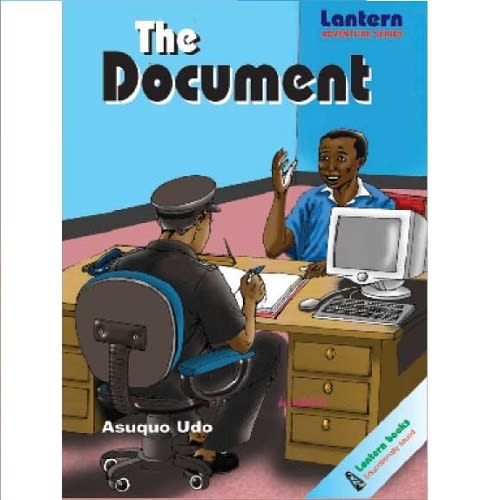
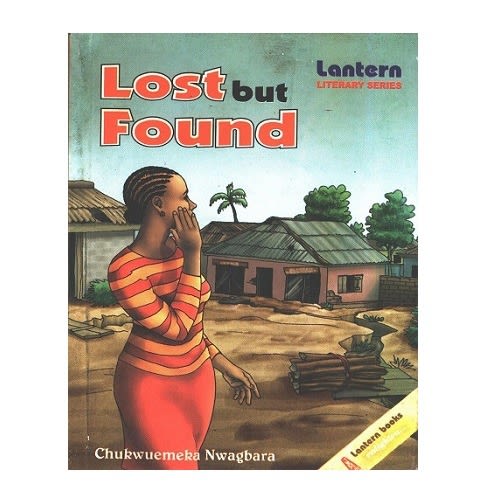
Nosa's love for the Police Force attracts him into the force despite the temptations of his profession as an accountant who qualified through a university education. His life is at stake from the men of the underworld whose attempts to collect a certain key from him lead him, to the realization of how important the key would be to the police in discovering the country's big time drug barons, who occupy prestigious positions in the society.
In the drama that follows the attempts to collect the key to the safe that contains the all-important document, lives were lost and property destroyed. Did they collect the key at last?
Find out in the novel.
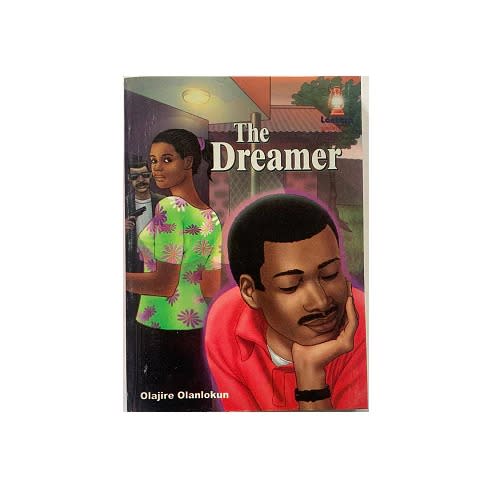
Wale was called 'The Dreamer' by his classmates in school because his dreams always come true. One day, he was kidnapped by a group of men who wore masks. They blindfolded him and brought him to a dungeon. The same group kidnapped a girl called Sherifat and brough her to the same dungeon. The girl was later released and Wale, too, got his freedom under mysterious circumstances. Wale dreamt about the girl he met in the dungeon but the two did not meet again until about a decade later. Wale's most important dream then came to pass after several events had unfolded.
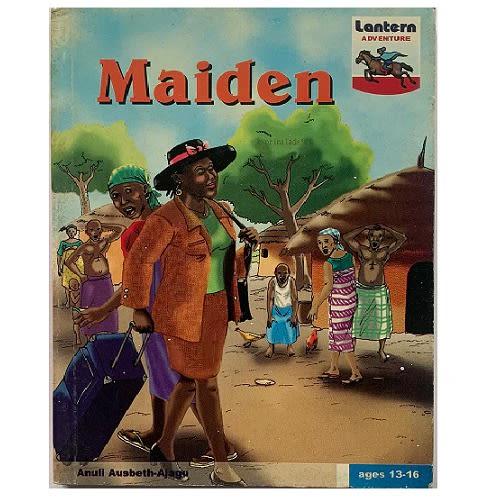
Maiden is an account of a young, dogged girl, who refuses to be married off at a tender age to a man old enough to be her father, and a polygamist to boot. She run away from home into an uncertain future where she struggles to restore the dignity of womanhood. Her dreams eventually come true.
Edith's exceptional brilliance in school makes her the center of attraction in the society- much to the chagrin of her uncle's wife, Elizabeth, whose children are not doing well in school. Thus, Elizabeth deceives Edith into going to the city in order to continue her education.
One day, on her from school, Edith is kidnapped. She finds herself in a slave camp. With the help G-4 team, she and the other inmates are soon freed, and are eventually reunited with their families.
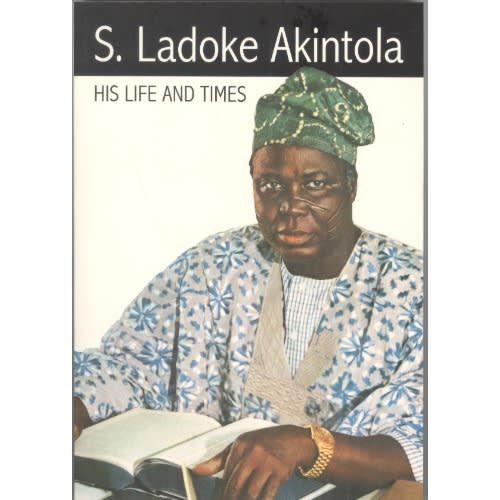
THE LATE CHHIEF S.L AKINTOLA PLAYED A SIGNIFICANT ROLE IN THE POLITICAL EMANCIPATION OF NIGERIA FROM COLONIAL RULE AND IN THE SUBSEQUENT DEVELOPMENT OF THE NIGERIAN STATE. HE REMAINS A FASCINATING EVEN IF CONTROVERSIAL ,AND THIS SCHORLARLY ASSESMENT OF HIM HELPS TO ILLUMINATE THE HISTORY OF NIGERIA'S RECENT PAST, AND IN SO DOING ALSO SHEDS LIGHT ON THE FUTURE COURSE OF POLITICAL DEVELOPMENT IN NIGERIA.
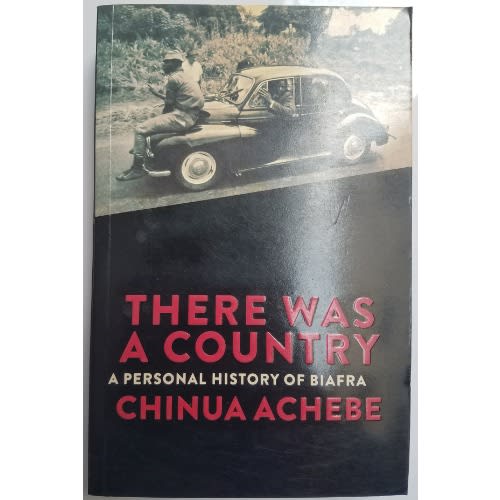
For more than forty years, Chinua Achebe maintained a considered silence on the events of the Nigerian civil war, also known as the Biafran War, of 1967 & ndash;1970, addressing them only obliquely through his poetry. Decades in the making, There Was a Country is a towering account of one of modern Africa & rsquo;s most disastrous events, from a writer whose words and courage left an enduring stamp on world literature. A marriage of history and memoir, vivid firsthand observation and decades of research and reflection, There Was a Country is a work whose wisdom and compassion remind us of Chinua Achebe & rsquo;s place as one of the great literary and moral voices of our age.
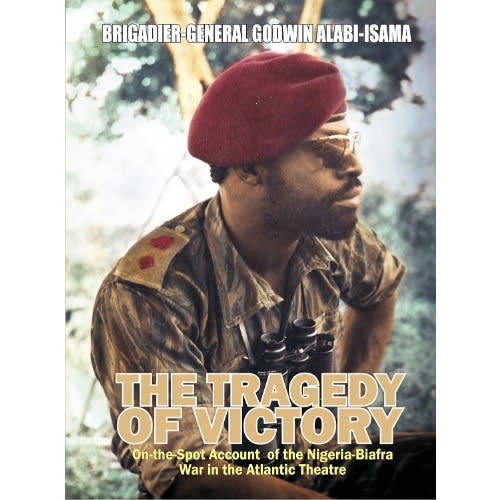
The Tragedy Of Victory - On-the-Spot Account Of The Nigeria-Biafra War
The Tragedy of Victory: On-the-Spot Account of the Nigeria-Biafra War in the Atlantic Theatre is a chronological narrative of the war that lasted from July 6, 1967 to January 15, 1970. With about 500 photographs and maps and facts, told with accuracy, the well-organised and efficient Third Marine Commandos, earlier commanded by Col. Benjamin Adekunle (with Lt. Col. G. Alabi-Isama, as the Chief of Staff) had already controlled the Atlantic coast from Bonny to Calabar before Col. Olusegun Obasanjo & rsquo;s arrival as the new commander . This most revealing book is in three parts. The first part is an account of the author & rsquo;s early life and his first encounter with the army. Under the watchful eyes of a mother who gave the best in moral education to a son of promise, Alabi-Isama & rsquo;s life got shaped by a pre-destined career where the cap really fitted. The second part is about the real combat. It outlines, in detail, the strategies and tactics the commandos employed during the historic 480km trek from Calabar to Port Harcourt and narrates the hostile climate, terrain environment, health and survival hazards they had to surmount on the 30-day march. The think-tank, the mapping out of operations and disciplined control of men and materials by Alabi-Isama, the chief of staff, as well as the officers of 3 Marine Commando Division of the Nigerian army, sustained the Nigerian side of the conflict. This section concludes with the final successful push by the commandos into Uli-Ihiala, Biafra & rsquo;s & lsquo;centre of gravity, & rsquo; a move that ended the war following the surrender of Biafra. The third part is an expose on Obasanjo & rsquo;s book, My Command. The author contests Obasanjo & rsquo;s claims about the war as being inconsistent with the truth and maintains that it is a tragedy that the real fighters of the war for the unity of Nigeria had not been acknowledged to date. Rather, they wallow in poverty and are discredited by their military leaders who assumed political offices with all the accompanying largesse.
The book is a rich manual, a repository of invaluable information, a document that gives a precise and veritable first-person account of the Nigerian civil war, in the Atlantic theatre. It is a must for every serving and retired member of the armed forces to own. Other Nigerians and international bodies will find it particularly useful in reconstructing the events of Nigeria & rsquo;s civil war.
Palmwine Publishing is the Publisher of the Book. A book published by Palmwine Publishing, Titled Music and Life
MUSIC & LIFE - About the Book- From soul-stirring melodies of Highlife to the pulsating rhythms of Afrobeat, "Music and Life" embraces the sounds that have shaped Nigeria's cultural identity. The poems dance with the vibrancy of Nigerian music, capturing the joyous spirit of celebration that permeates the air during festivals and gatherings. They delve into the artistry of traditional instruments and the infectious beats that move bodies and souls, revealing the profound impact music has on shaping Nigerian society.In the grand symphony of Nigeria's cultural mosaic, "Music and Life" reminds us that music is not merely an art form but a vibrant thread that weaves together the diverse narratives, emotions, and aspirations of its people. It urges us to listen closely, to engage with the melodies that surround us, and to recognize the profound impact that music has on shaping our individual lives and the collective story of our nation.
About Author- Palmwine Sounds is the compiler of E Be Things and Naija Nah Ur Mate, publications by Palmwine Publishing Limited Nigeria.
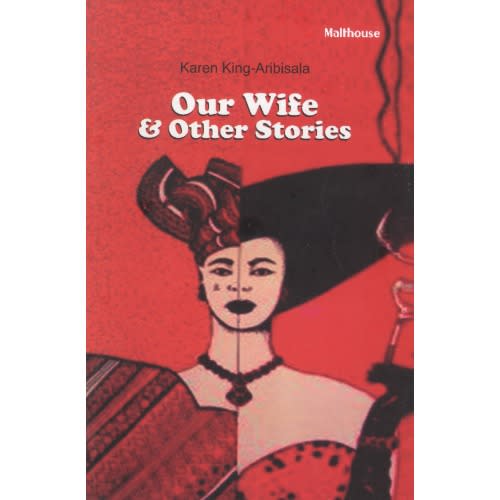
' Our Wife and Other Stories' is a collection of some twenty- seven short stories by Karen king -Aribisala.In this collection she 'reacts' to African culture from within ; particularly to the place of women, indigenous and foreign in it.
With an admirable fine blend of feminism, humour, wit and sarcasm, and parody, Karen King Aribisala dissects various culture-bound conventional wisdoms and practices, showing how the trivial and the germane often encapsulate, in varying degrees, some laughter, honour, opresssion and injustice.
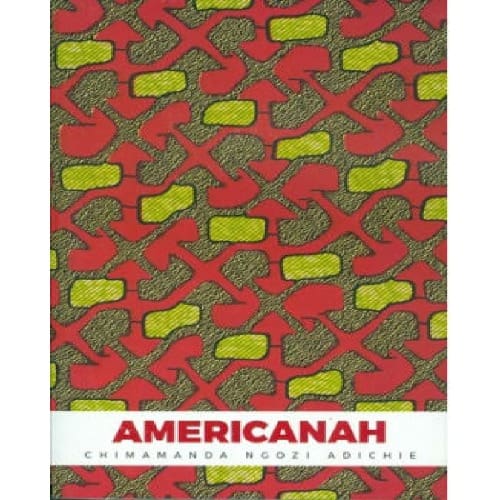
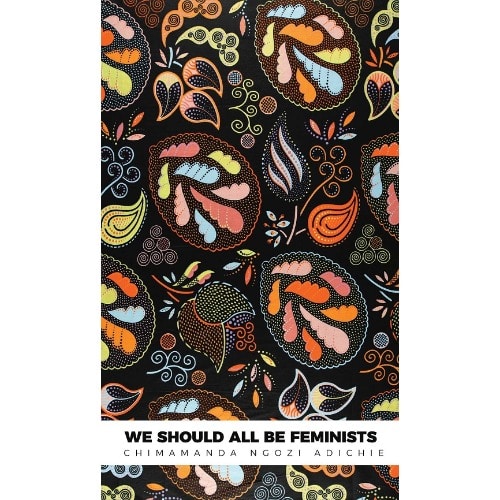
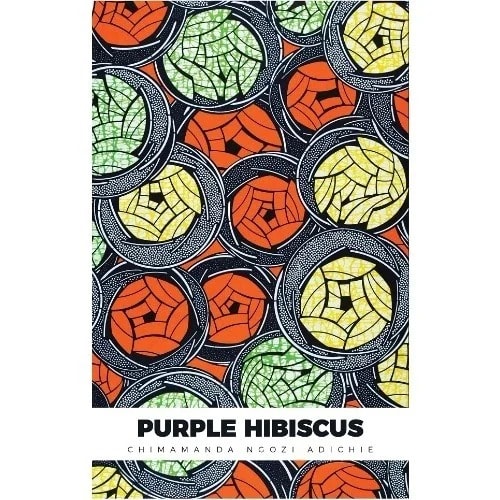
Purple Hibiscus - Nlp Edition With Vlisco Ankara Design
When Nigeria is shaken by a military coup, Kambili & rsquo;s father, involved mysteriously in the political crisis, sends her to live with her aunt. In this house, she discovers life and love & ndash; and a terrible, bruising secret deep within her family. This extraordinary debut novel from Chimamanda Ngozi Adichie, author of & ldquo;Half of a Yellow Sun & rdquo; is about the blurred lines between the old gods and the new, childhood and adulthood, love and hatred & ndash; the grey spaces in which truths are revealed and real life is lived.
This new edition by Narrative Landscape Press was designed in collaboration with Vlisco, the wax print textile company.
When Nigeria is shaken by a military coup, Kambili & rsquo;s father, involved mysteriously in the political crisis, sends her to live with her aunt. In this house, she discovers life and love & ndash; and a terrible, bruising secret deep within her family. This extraordinary debut novel from Chimamanda Ngozi Adichie, author of & ldquo;Half of a Yellow Sun & rdquo; is about the blurred lines between the old gods and the new, childhood and adulthood, love and hatred & ndash; the grey spaces in which truths are revealed and real life is lived.
This new edition by Narrative Landscape Press was designed in collaboration with Vlisco, the wax print textile company.
When Nigeria is shaken by a military coup, Kambili & rsquo;s father, involved mysteriously in the political crisis, sends her to live with her aunt. In this house, she discovers life and love & ndash; and a terrible, bruising secret deep within her family. This extraordinary debut novel from Chimamanda Ngozi Adichie, author of & ldquo;Half of a Yellow Sun & rdquo; is about the blurred lines between the old gods and the new, childhood and adulthood, love and hatred & ndash; the grey spaces in which truths are revealed and real life is lived.
This new edition by Narrative Landscape Press was designed in collaboration with Vlisco, the wax print textile company
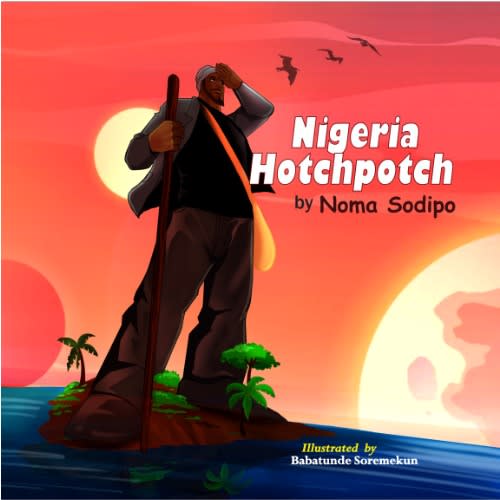
The giant has been asleep for a long time. Now it is time to rise and shine. There is only one problem though... He cannot remember his name! Through an adventure-packed journey, wandering North, South, East and West, he comes to discover who he really is!
Join him in his adventure-packed journey, learning about Nigeria & rsquo;s states, slogans, geography, culture and more!
Social Studies lesson the fun way!
Recommend ages: 3-10 years
-----
ABOUT THE AUTHOR
Noma Sodipo writes for children and creates content for children's television, radio and other media. Her passion for children and early childhood education led her to s tart a nursery school which she successfully ran for twenty years. From the award-winning TV programme, Story Time with Auntie Noma, she went on to host and produce other notable children's TV, radio, documentaries and live shows aired across Africa and Europe. She is happily married and blessed with three children.