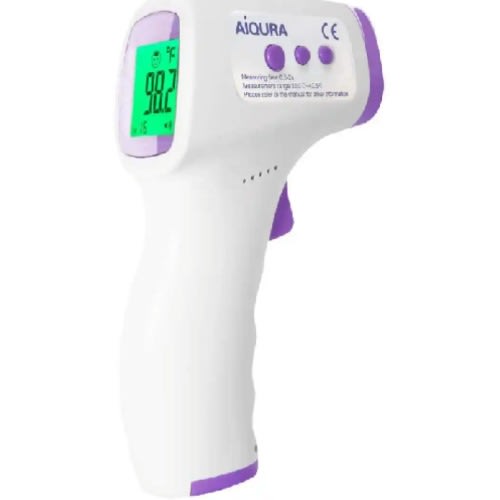



Buy Non Contact Infrared Thermometer in Nigeria
You May Also Like
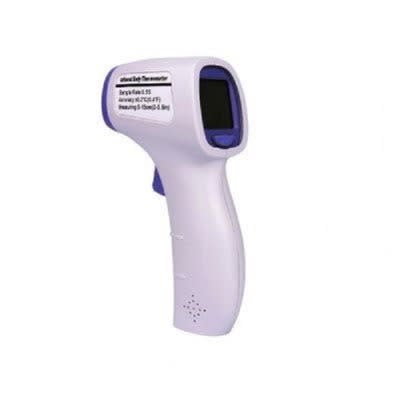
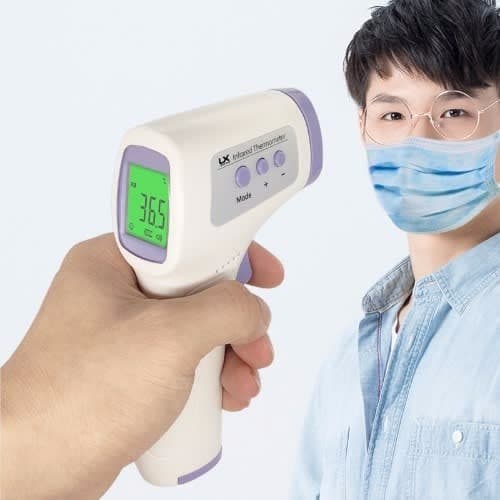
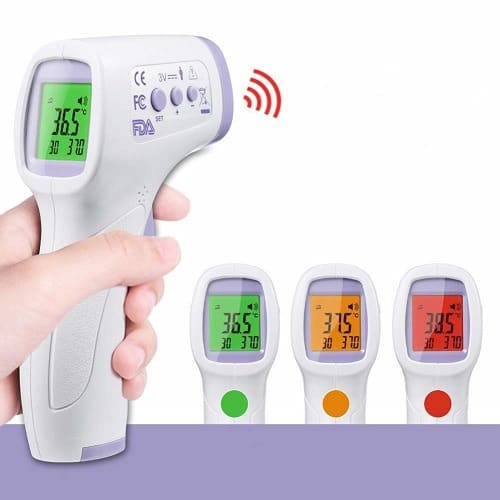
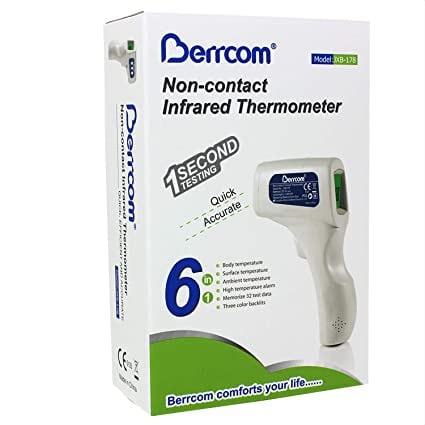
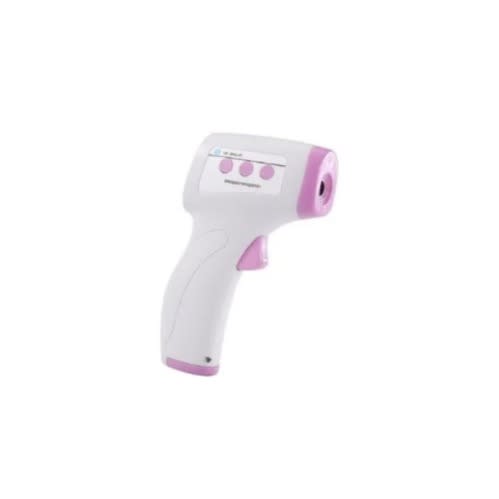
Fda Approved Medical Device, Contactless And Digital Infrared Thermometer
₦ 13,735.00
₦ 20,500.00
-33%
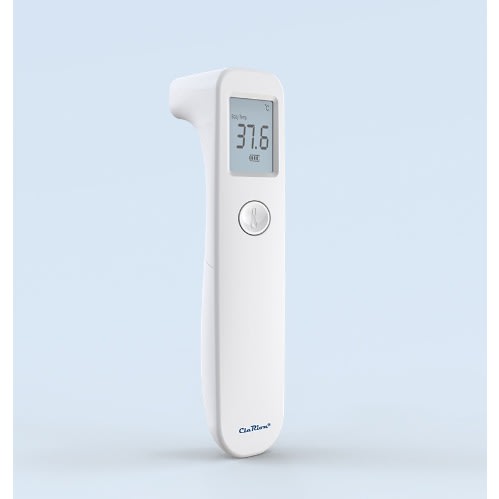
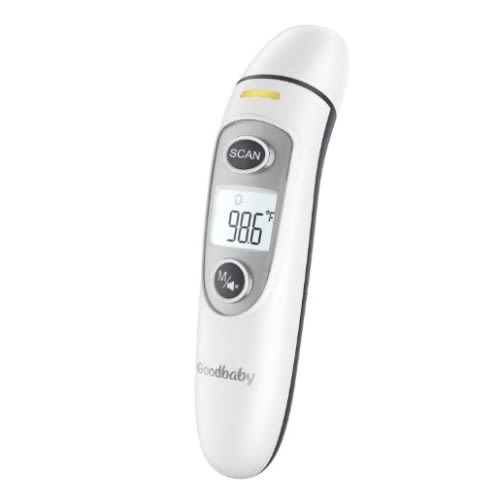
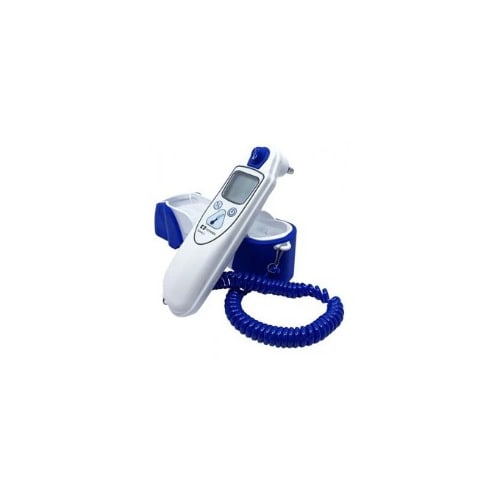
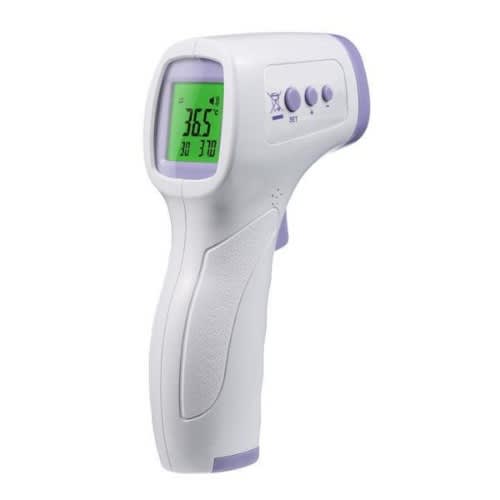
Goodbaby Baby Thermometer - Forehead And Ear With Fever Alarm And Memory Function
₦ 31,680.00
₦ 32,000.00
-1%
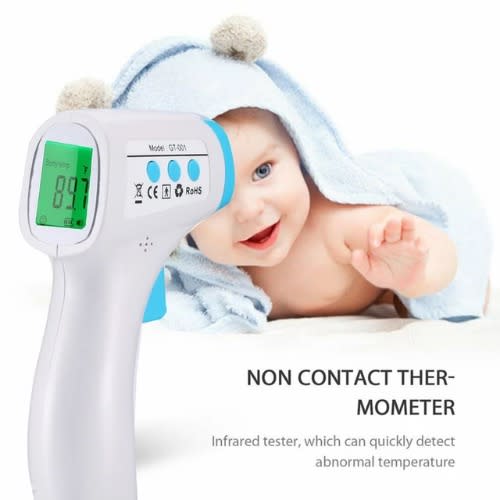

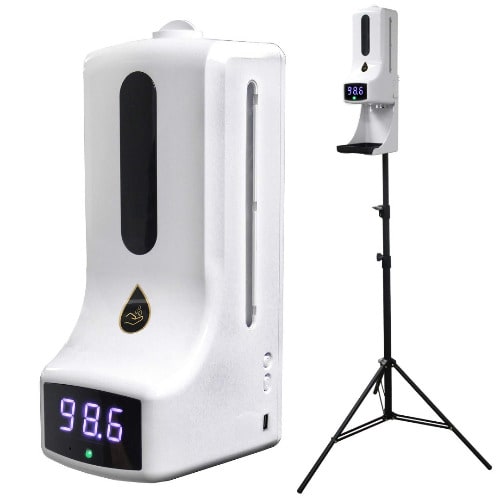
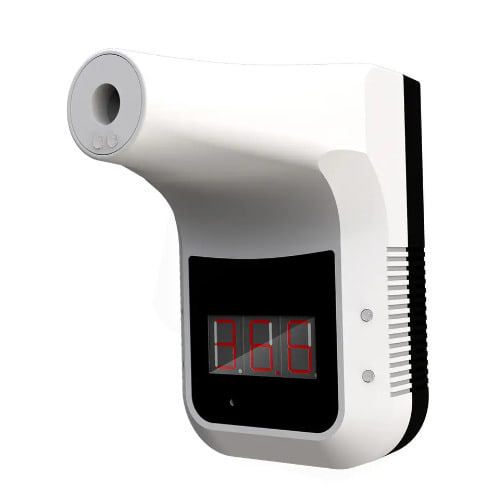
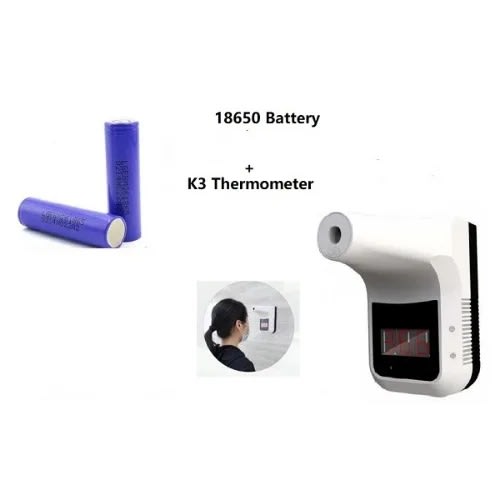
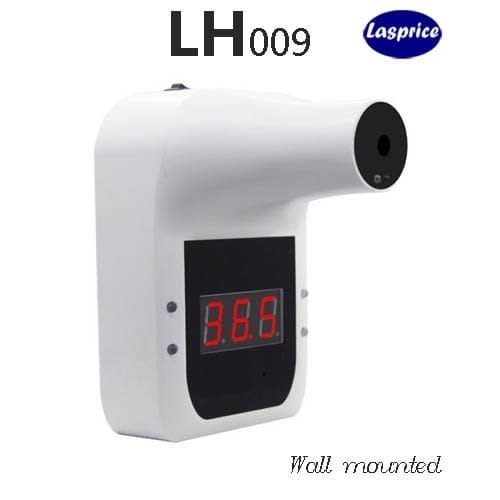
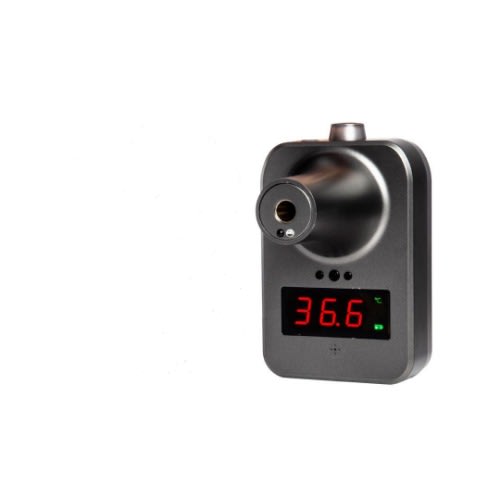
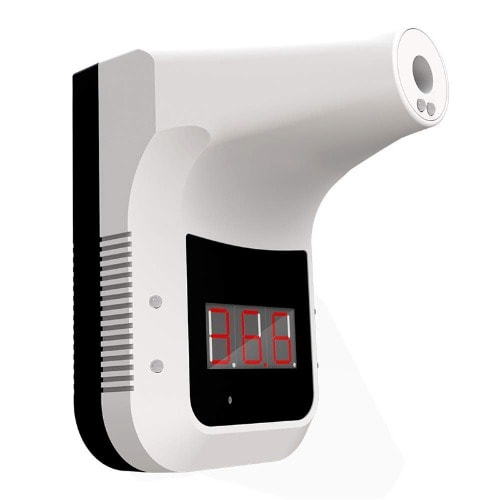
Non-contact K3 Wall Mounted Infrared Thermometer - Forehead Temperature Measurement
₦ 68,904.00
₦ 69,600.00
-1%
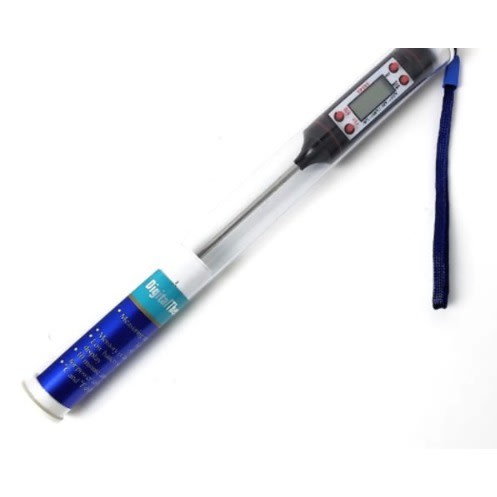
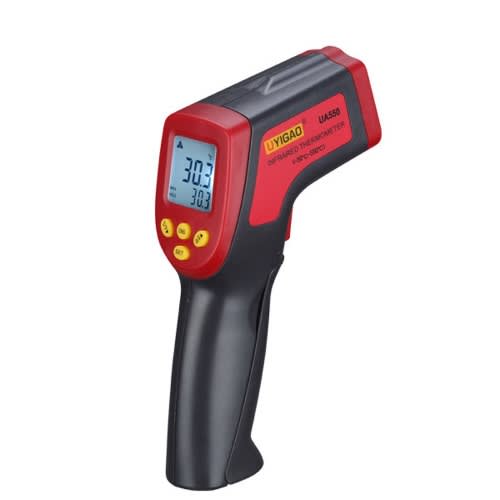
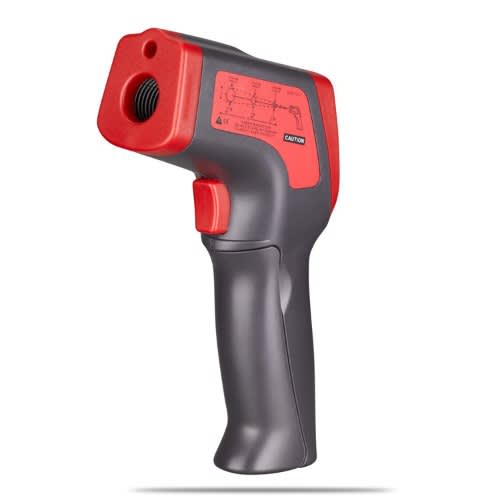
Digital Infrared Thermometer Laser Thermometer Non Contact -50°c To 600°c
₦ 29,700.00
₦ 30,000.00
-1%
Featured Products
000RENG429265
Rehmie.com.ng
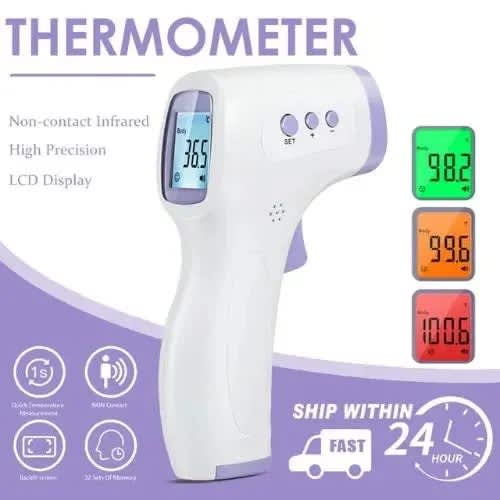
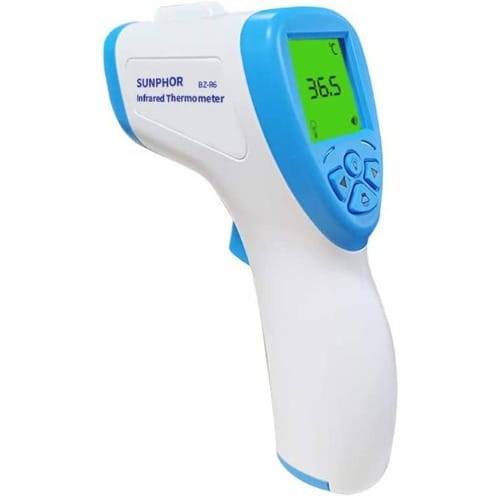
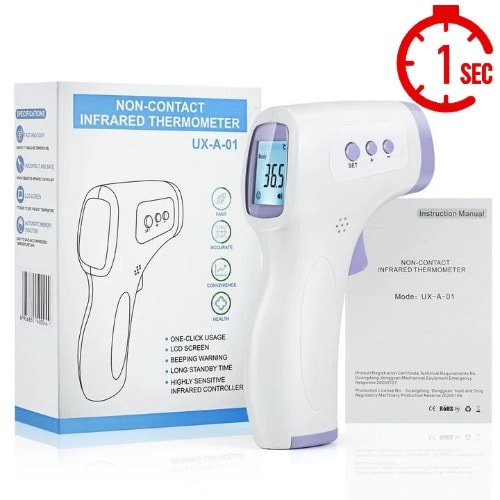
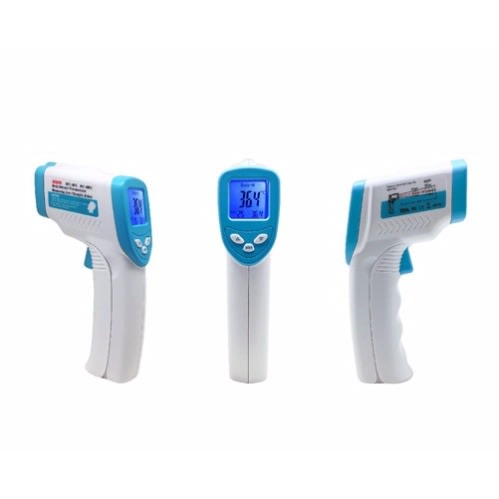
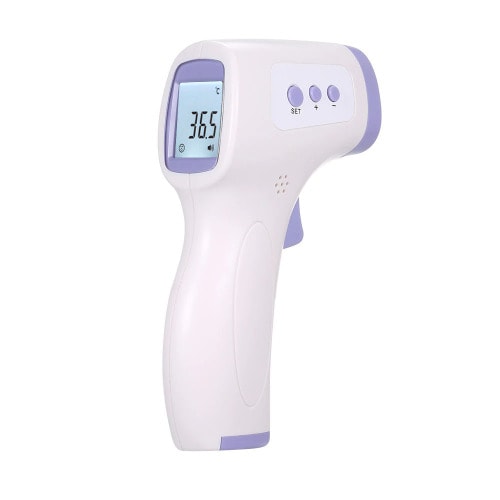
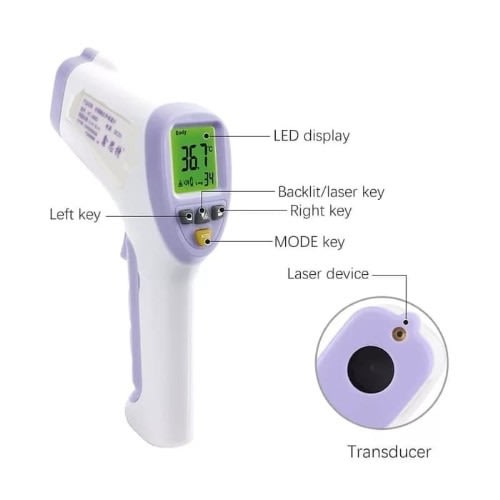
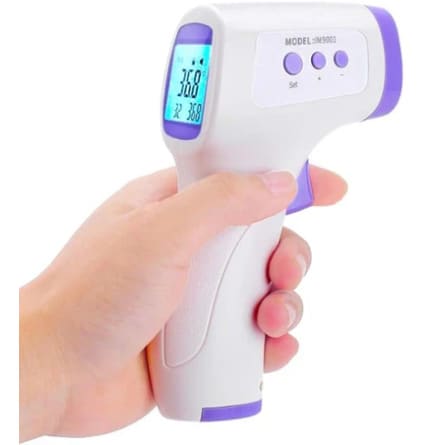
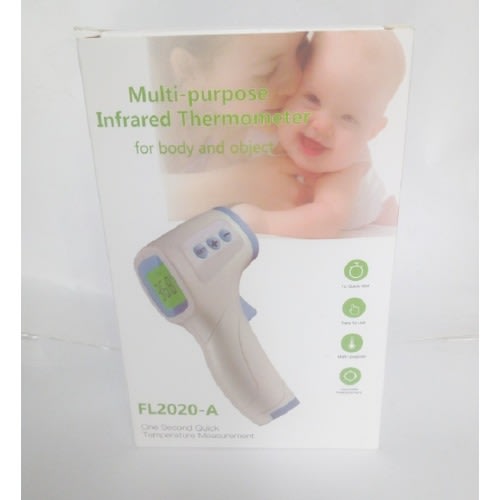
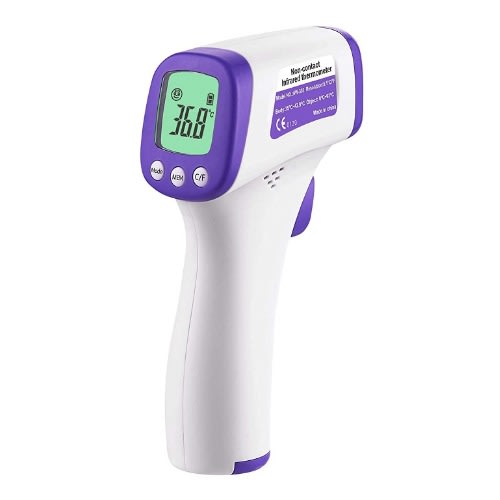
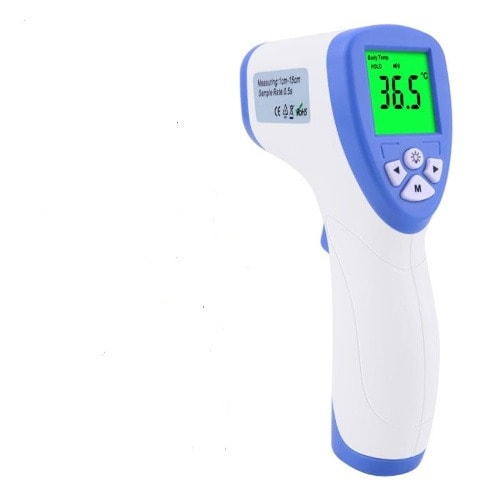
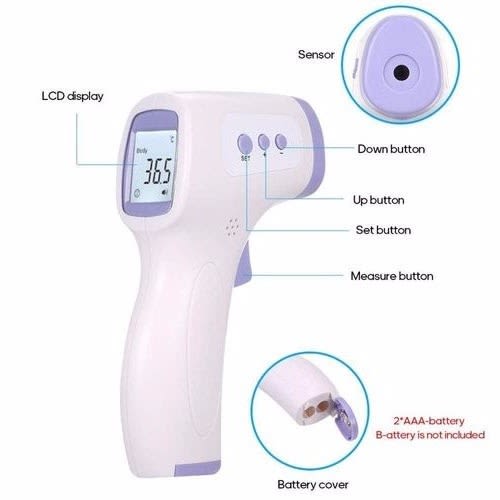
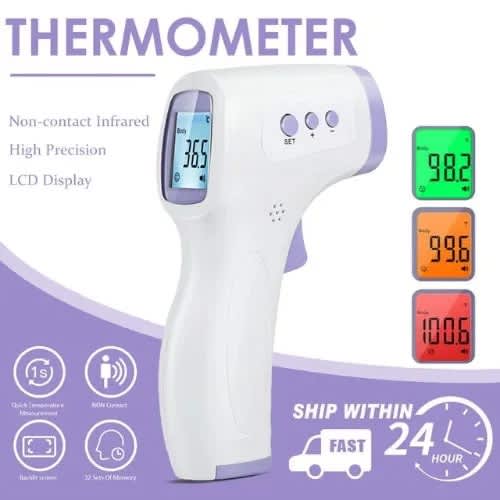
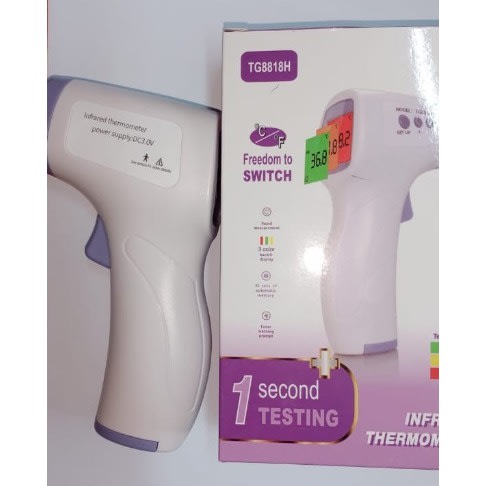
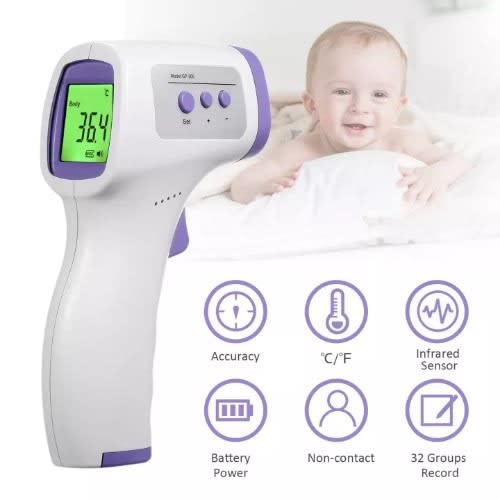
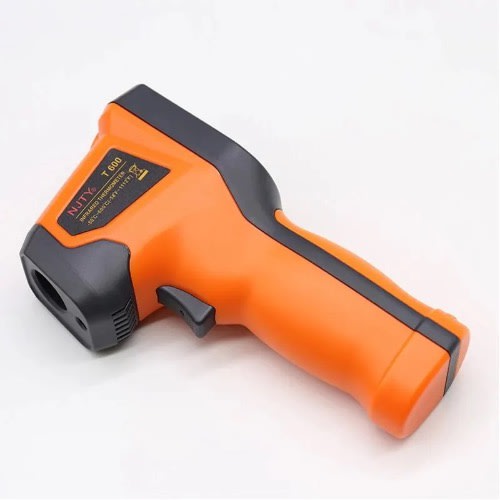
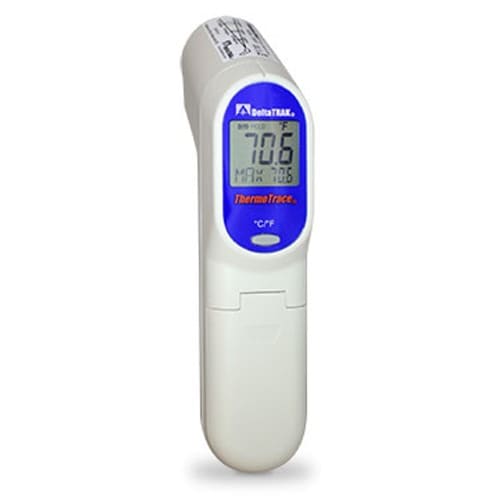
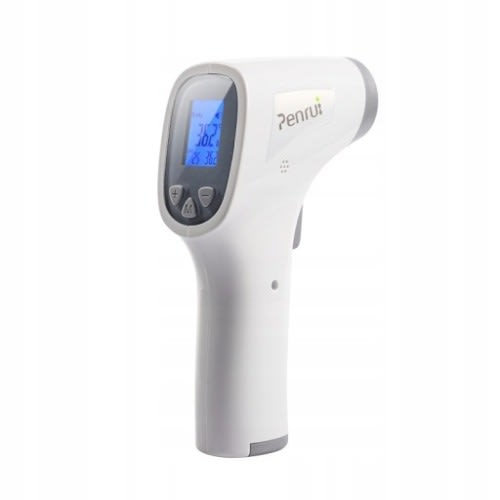
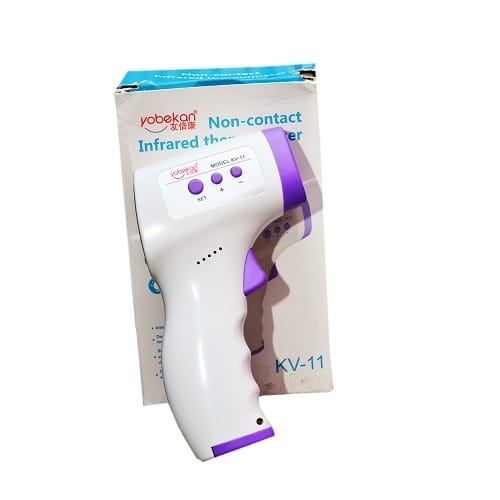
Non Contact Infrared Temperature Gun Thermometer
(1)Non-contact infrared measurement, safe to use
.(2)Lightweight and portable, convenient to carry.
(3)One-key to switch the Measurement Mode, short press the "Set"-key can cycle switch between"temperature mode" and "Object temperature mode".
(4)Two temperature units for conversion: Fahrenheit or Celsius.
(5)Aiming towards the with the distance of 10-30mm.
(6)Automatic storage of measurement data, you can view the data of the previous measurement at any time.
(7)LEDs backlight display can be used at night.
(8)One-second measurement, stable use and reliable quality.
(
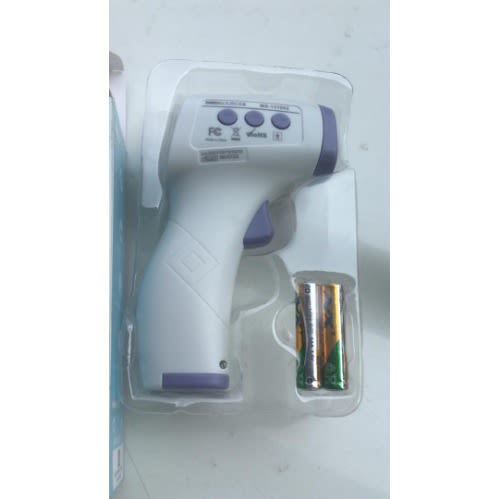
PACKAGE CONTENT:1xThermometer and 1x manual
000RENG431669
Rehmie.com.ng
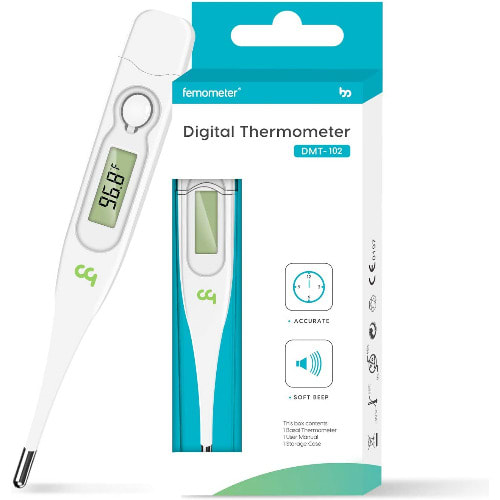
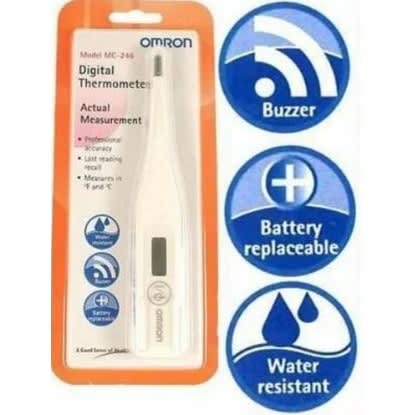
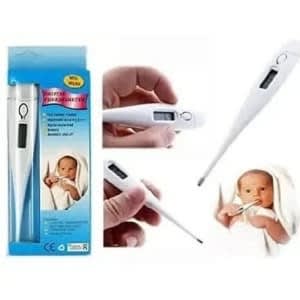
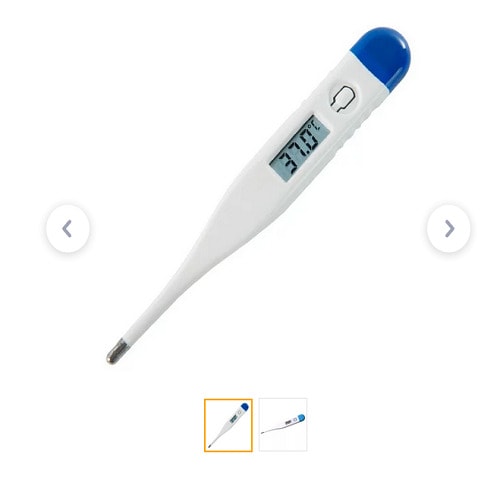
Digital Electronic Thermometer
The Digital Thermometer is as much as three times faster than glass thermometers. It is safer because there's no glass to break and it is easy to read with large, clear numbers on a digital display. Water resistant for easy cleaning. This thermometer stores the last temperature taken.
This is a family model Digital thermometer suitable for babies, toddlers and adults too. A must have for every family.
000RENG447899
Rehmie.com.ng
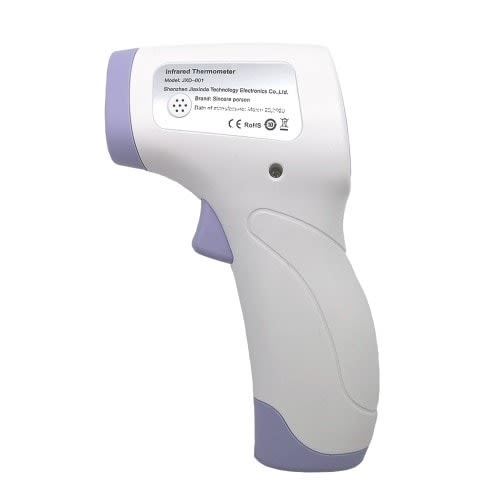
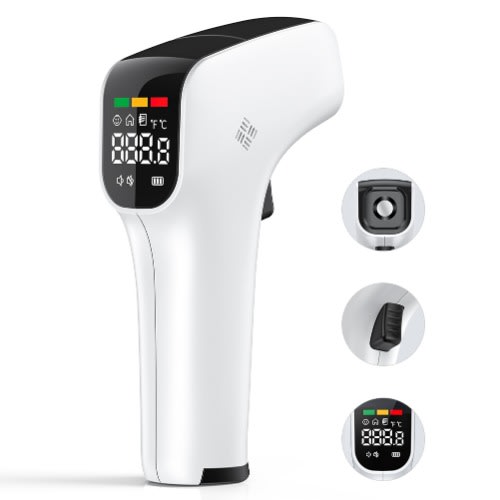
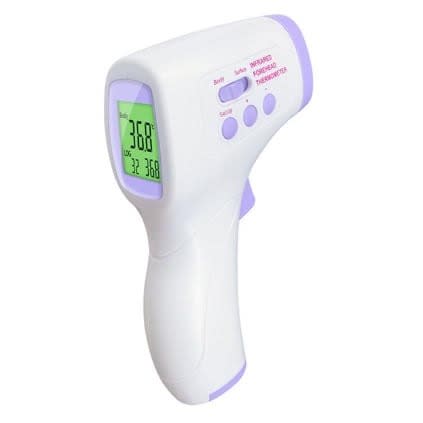
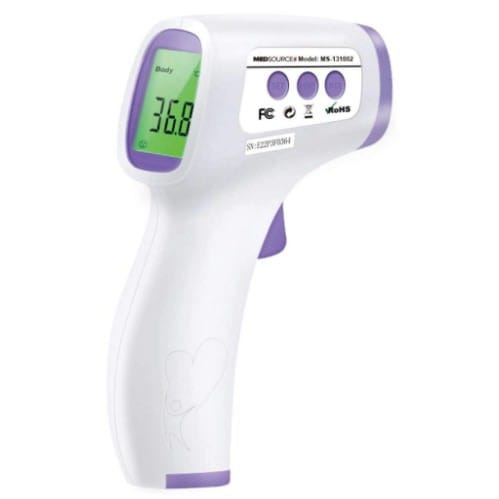
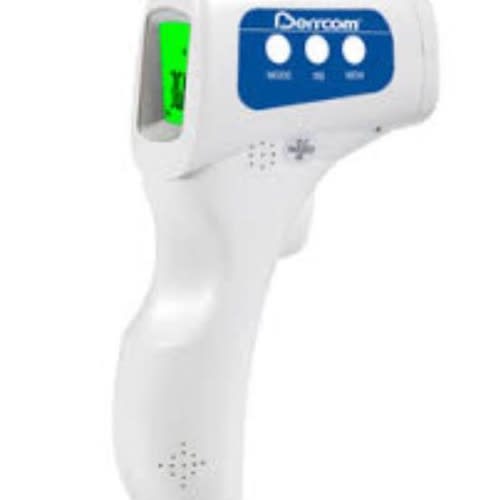
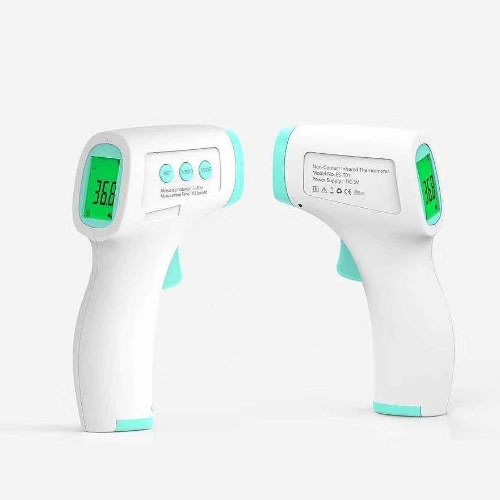
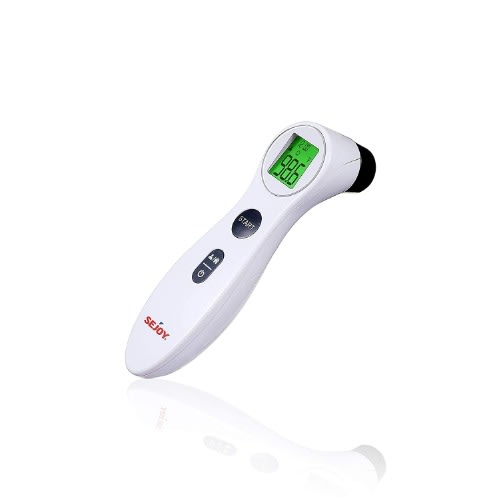
Infrared Thermometer
RAPID READINGS: Provides instantaneous temperature readings with no physical contact necessary.
SAFE DISTANCE: Enables you to be approximately 0.4 to 2 inches away from the patient & rsquo;s forehead.
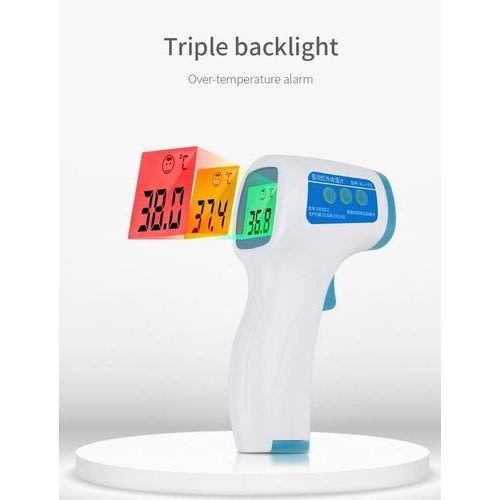
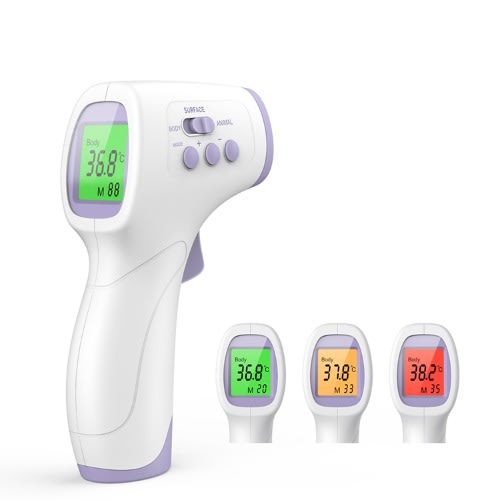
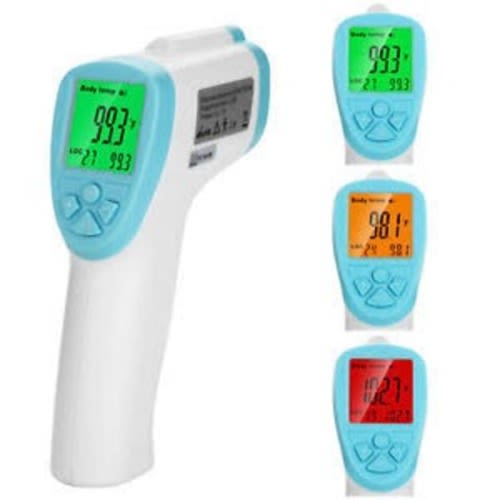
COLOR-CHANGING SCREEN: LED screen turns green, yellow or red based on temperature severity.
COMPACT DESIGN: Dimensions include 5.43 inches in length, 3.74 inches in width and 1.47 inches in height.
LASTING MEMORY: Memory storage holds up to 50 temperature readings at a time.
000RENG455934
Rehmie.com.ng
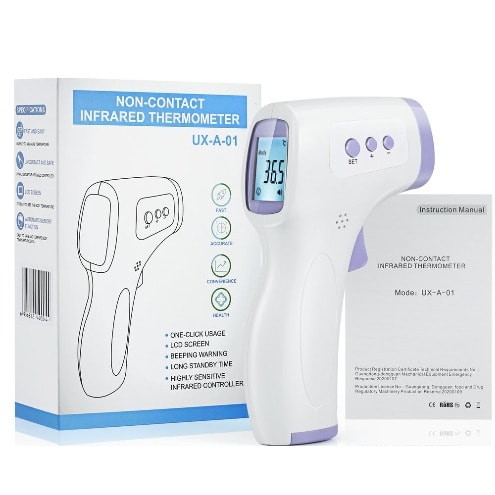
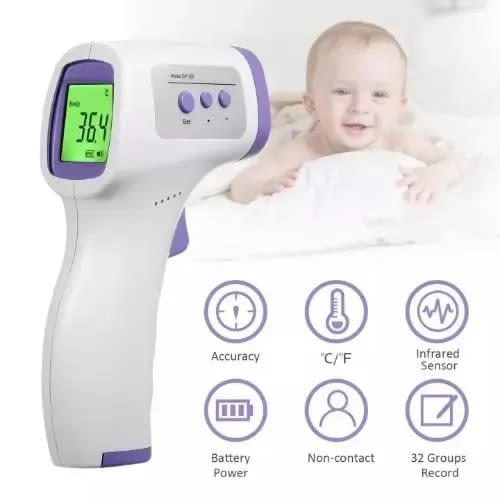
Handheld Infrared Thermometer
The thermometer measures the temperature by inhaling the infrared heat emitted by the human body. Align the thermometer probe in the middle of the forehead and maintain a vertical distance of about 3-5 cm. Press it lightly, and the measurement value will be announced with a beep after about 1 second. Fast and accurate.
It is capable of adapting to changing environmental temperatures and can be used in complex environments.
A new control probe structure has been developed to improve measurement accuracy.
One button operation allows you to switch between two modes of measuring body temperature and object temperatures. It is easy and practical.
Fever alarm prompt, backlight color prompt
Automatedly save 20 sets of temperature measurement values
Large LCD screen with three colors backlights, high brightness, and clear display.
You can choose from Fahrenheit and Celsius temperature units.
Automated shutdown conserves energy and power.
It is simple and easy to use
Take care
Before you use the battery, please read the manual thoroughly.
It is strictly forbidden to submerge the forehead temperature gun into any liquid. It is not allowed to collide, fall or mix with sharp objects.
Avoid use in areas with strong electromagnetic interference
Keep the forehead thermometer out of reach of children. The doctor's diagnosis will always prevail.
000RENG455958
Rehmie.com.ng
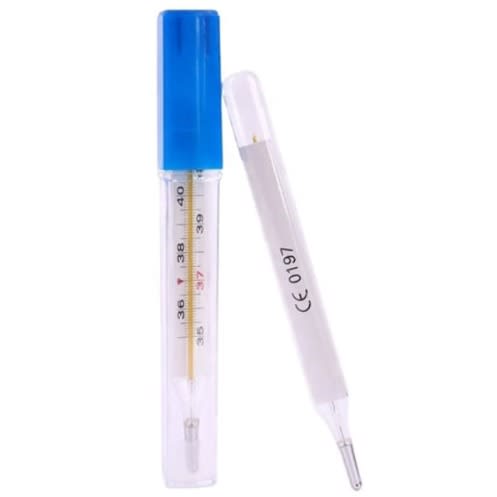
Mercury Free Clinical Glass Thermometer
t is Mercury-free, hence safer for use and not potentially toxic to man.It has a magnifying lens making it easy to read temperatures.It has a practical temperature coolant which ensures
Description
clinical glass thermometer is your traditional glass thermometer with a twist. Instead of using mercury which can be toxic to man in the thread, a safer option of an alloy of Indium, Gallium and Tin was used.
It can measure temperature via the underarm, oral and rectum.
It is Mercury-free, hence safer for use and not potentially toxic to man.
It has a magnifying lens making it easy to read temperatures.
It has a practical temperature coolant which ensures easy reset
000RENG455969
Rehmie.com.ng
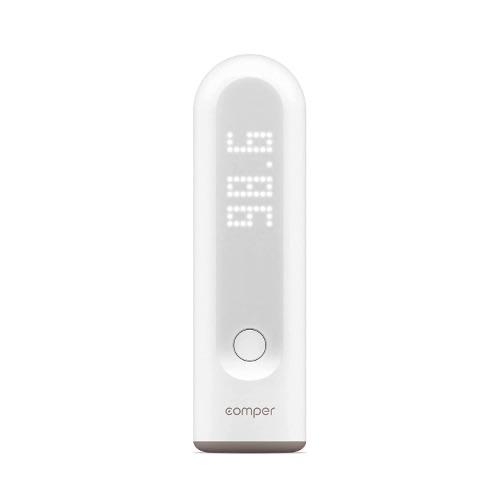
Comper No-contact Digital Infrared Thermometer
SMART CHIP TECHNOLOGY: Comper thermometer uses updated high-precision sensor probes and smart chips to provide accurate results and ensure excellent performance. You can safely give it to your child. The design incorporates developmental psychology, taking into account the comfort of parents and the baby. It avoids the use of the traditional gun-type operation for a gentler and more temperature measurement experience.
BABY SAFE - This smart thermometer is made with RoHS cleared, FDA approved, materials to ensure your family's health and safety. It is compact and lightweight.FAST & NO FUSS - Provides results in less than a second, and the soft TPU makes it ideal for infants and toddlers. This helps minimize stress for your child when taking their temperature.CONVENIENT SMART APP - Includes an app with features like shareable readings, and real time.
Works for the whole family as it supports an unlimited number of users.AUTO RECORD TEMPERATURES - The thermometer automatically records temperatures and saves them to the app for easier tracking. Visualize temperature trends and changes effortlessly.ACCURATE READINGS - Get readings you can rely on. Our smart forehead thermometer provides maximum precision with results that are accurate for your peace of mind.
Includes an app with features like medicine reminders, shareable readings, and real time analyticsAUTO RECORD TEMPERATURES ACCURATE READINGS & lrm;2 AAA batteries required. (included) & lrm;3.5 Watt HoursRechargeable
000RENG455973
Rehmie.com.ng
Thermometer For Fever Monitoring
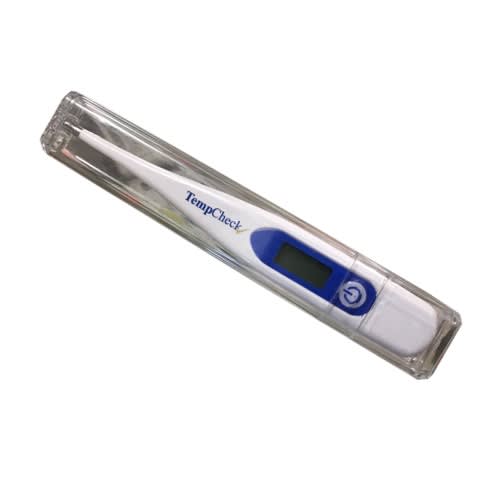
A digital thermometer is used in health care to measure and monitor body temperature. It can record body temperatures in the mouth (oral),armpit, or anus (rectal).
Features: clean display screen
Ideal for kids, fast response, auto shut-off, alarm signal
Mercury free
Application: high accuracy
RAPIDLY MEASURE kids, infants, adults and animals FOUR TIMES FASTER than conventional competitors orally & rectally utilizing Generation Guard's superior microchip and highly sensitive dual mode tip best for mouth, anal and armpit useENJOY CONFIDENCE in the CLINICAL ACCURACY and RELIABILITY of your premium health care thermometer with our improved build quality. Look no further this is FDA and European APPROVED by regulators as medical supplies for the home or workplaceSAFE and COMFORTABLE reading of BASAL body temperature for ovulation and BBT featuring FLEXIBLE tip and WATERPROOF design with the comfort and safety of your beloved kid or infant in mind approved by professionalsADD TO CART NOW you are protected by our 7 day NO QUESTIONS asked money back guarantee. Clinical Digital Thermometers purchased from jakes comes with a 7 day money back guarantee. If you're not happy with the product for any reason, simply return it for a full refund or replacement
000RENG455977
Rehmie.com.ng
Infrared Thermometer
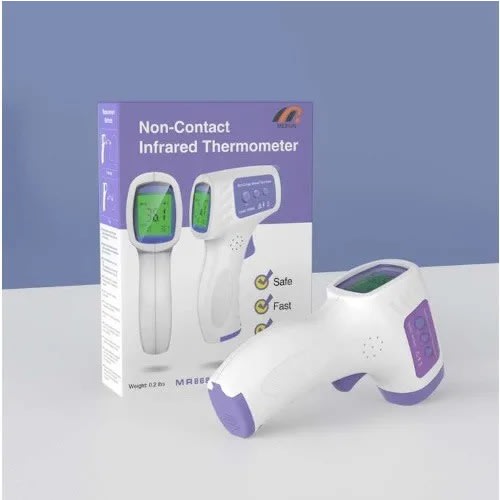
Nigeria Best Quality Thermometer Seller (over 22,000pieces sold in 6 months). Buy 2 pieces to Win Free Gift (Virus Buster) worth #4,200 attached to your order.
key FeaturesNon-Contact measuring temperature accurately.It can reduce the risk of virus spread effectively.Reading temperature display quickly. Response time is only 0.5s.34 measuring data can be saved.Records surface temperature.Records body temperature and Automatic Power Off to conserve energy when not in use. Free Gift (Virus Buster) worth #4,200 attached to your order when you buy 2pcs. Click to Buy today before Promo Ends.
000RENG455980
Rehmie.com.ng
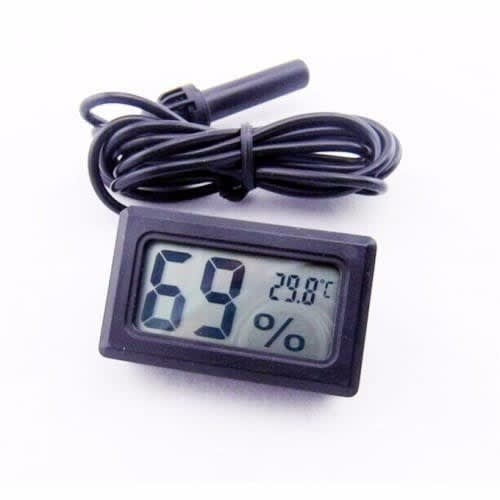
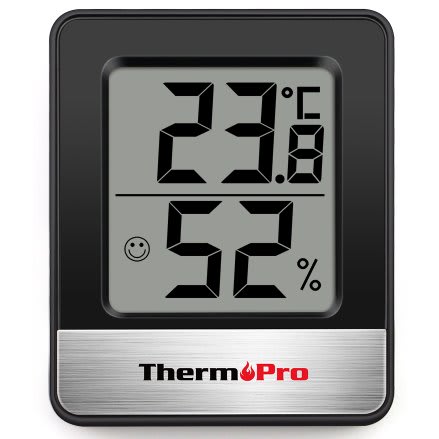
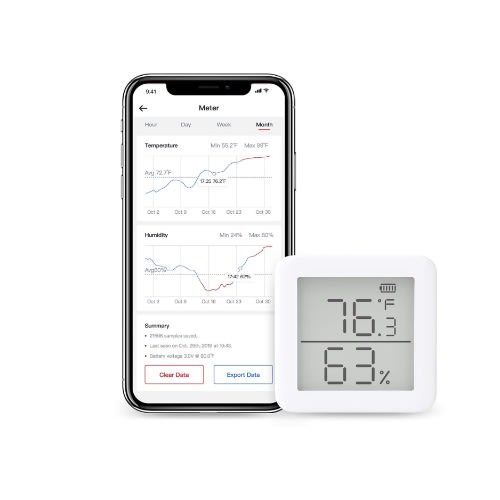
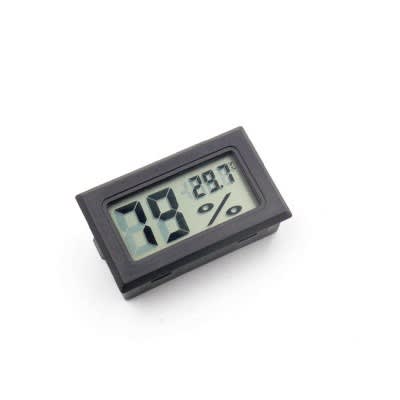
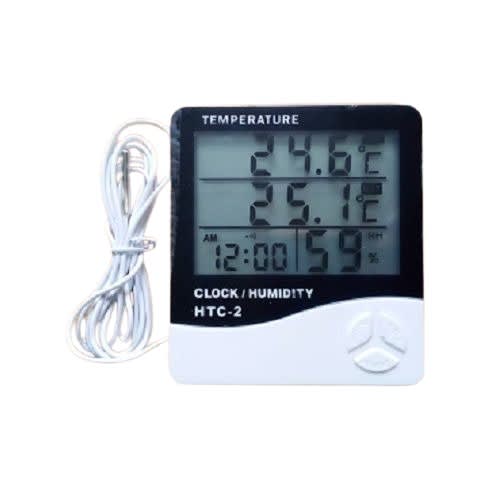
Temperature And Humidity Meter - Htc2
Product SpecificationIndoor and outdoor: -50C ~ +70C (-58F ~ +158F)Temperature measurement precision: +/-1C (1.8F)Indoor humidity measurement range: 0.1C (0.2F)Humidity measurement range: 10% RH ~ 99% RHHumidity measurement precision: +/-5% RHHumidity resolution: 1%Battery: AAA 1.5VStorage conditions: -10C ~ 50C (20-80 Basic functions...! & deg;Temperature/Humidity C/F temperature switch displayThe maximum/minimum temperature and humidity memory function12/24 hour clock. The whole point timekeeping functionDaily AlarmCalendar displayThis product helps you to determine the humidity of your environment and to also determine the temperature of your environment. With this device, you are also able to check the time from the clock in-built into the device.
This product is a product that is required in every home, office and places where humans are to ensure the humidity and temperature are within what is safe for humans. It is also very important to have this item to monitor temperature and humidity for appliances or equipment that are sensitive to temperature and humidity.
000RENG455983
Rehmie.com.ng
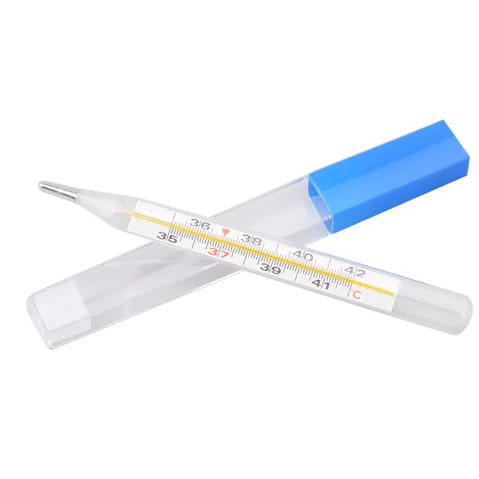
Mercury Free Clinical Glass Thermometer
clinical glass thermometer is your traditional glass thermometer with a twist. Instead of using mercury which can be toxic to man in the thread, a safer option of an alloy of Indium, Gallium and Tin was used.
It can measure temperature via the underarm, oral and rectum.
It is Mercury-free, hence safer for use and not potentially toxic to man.
It has a magnifying lens making it easy to read temperatures.
It has a practical temperature coolant which ensures easy reset
material : glass
measurement range : 35~42C; 94~108F
power source : Manual
item length : 8.58 inches
000RENG455997
Rehmie.com.ng
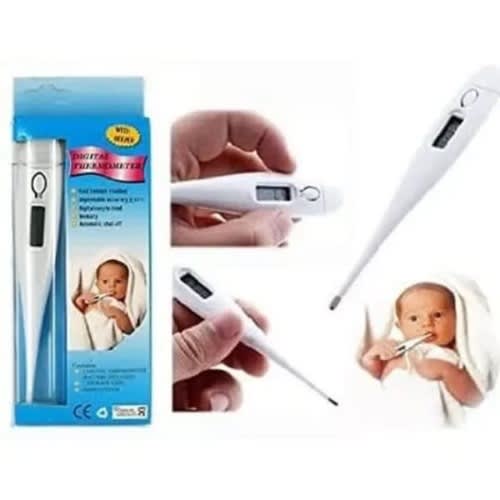
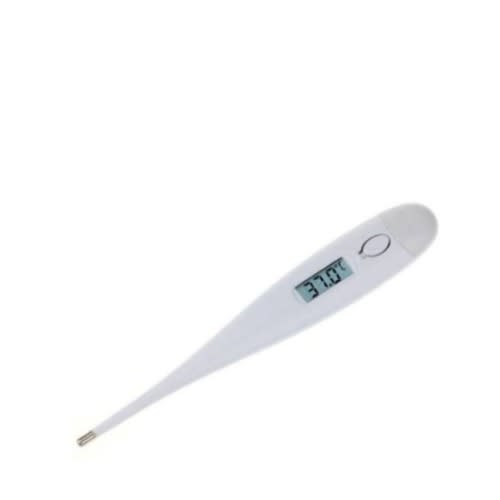
Digital Thermometer
Digital Thermometer Best to Read & Monitor Fever Temperature in 15 Seconds by Oral Rectal Underarm & Axillary - Professional Thermometers & ...for children and adults
RAPIDLY MEASURE kids, infants, adults and animals FOUR TIMES FASTER than conventional competitors orally & rectally utilizing Generation Guard's superior microchip and highly sensitive dual mode tip best for mouth, anal and armpit use
ENJOY CONFIDENCE in the CLINICAL ACCURACY and RELIABILITY of your premium health care thermometer with our improved build quality. Look no further this is FDA and European APPROVED by regulators as medical supplies for the home or workplace
000RENG456000
Rehmie.com.ng
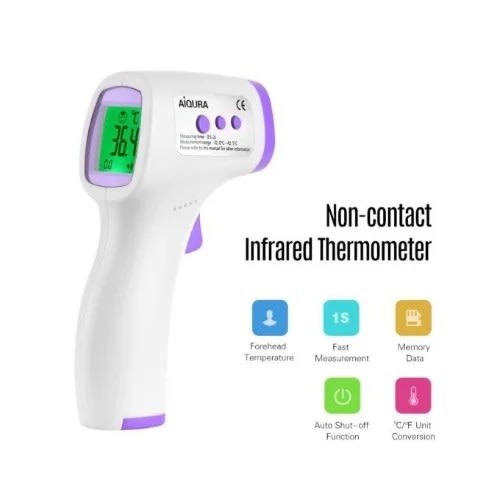
Aiqura Infrared Forehead Thermometer
AIQURA INFRARED FOREHEAD THERMOMTER
The AiQURA AD801 Non-contact Body Digital
Forehead Infrared Thermometer for Adults and
Children is the safest option to measure human
body temperature from a certain distance without
coming in direct contact with skin regardless of
room temperature. This High-accuracy infrared
measurement thermometer uses infrared
technology that relies on updated high-precision
sensor probes and the latest smart chips without
generating radiation. The LCD screen displays clear
and crisp numbers that are quick and easy to read
even in the dark in either degree Celsius or
Fahrenheit. Just aim and push the button to read
the current person's temperature in less than a
second. It provides an audible alert for over-
temperature. Depending on various skin types and
thickness, there may be a temperature difference
Features:
Body Temperature Thermometer: Precisely measure the temperature of body parts like the forehead and ear. One-key triggering measurement, more convenient to detect body health condition.
Non-contact Infrared Sensor Measuring: The infrared thermometer measuring distance is 3~5cm / 1.18~1.97in, with no need to touch skin and prevent cross-infection effectively.
LCD Clear Display: Large LCD screen provides a clear display, high-contrast back-light, and readout make it easier to observe the reading.
Power-saving Function: The thermometer is powered by 2 * AAA batteries(NOT included), it can power off automatically after 15 seconds of idle operation.
Memory Function: 5 sets of measurements can be stored for better tracking the changes in temperature.