



Buy Coconut Flour 1kg in Nigeria
You May Also Like


Featured Products
000RENG692106
Kirkland Signature
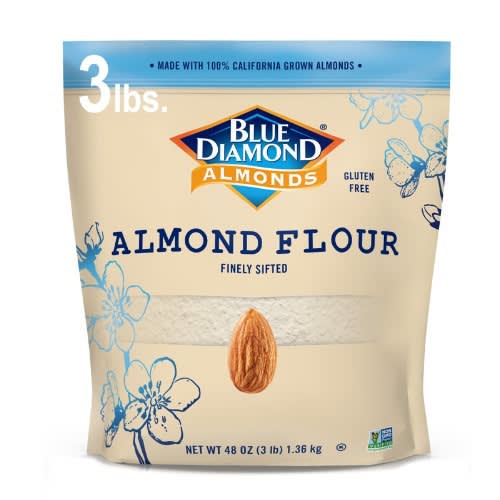
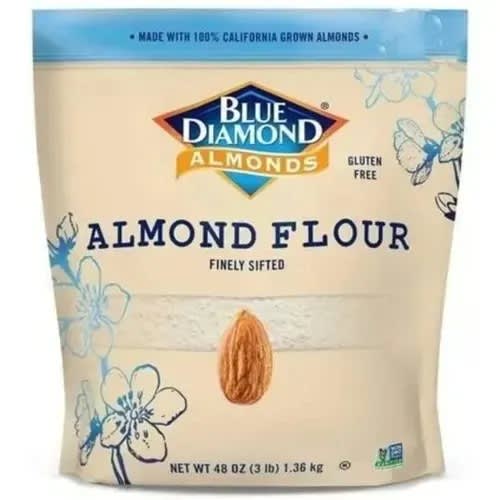
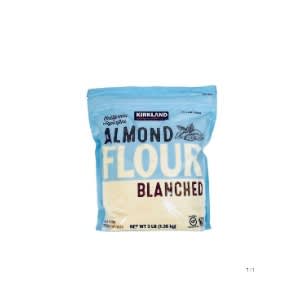
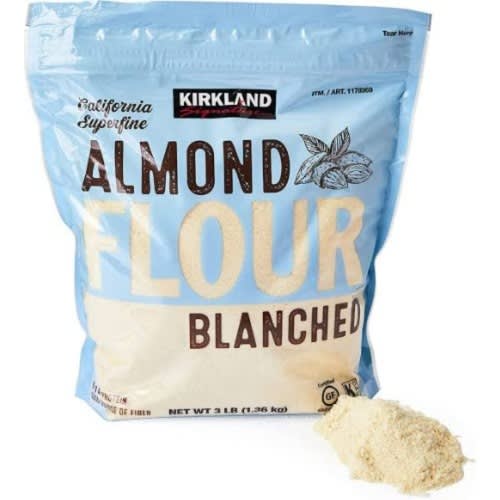
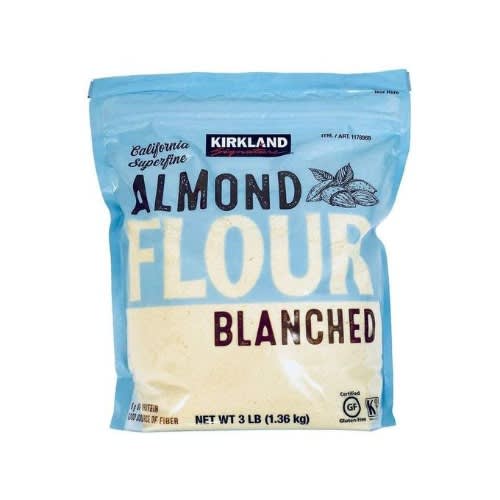
Almond Flour - 1.36kg
Almond flour is much lower in carbs than wheat flours, but higher in fat. Unfortunately, this means almond flour is higher in calories. However, it makes up for this by being incredibly nutritious.Almond flour is made of finely-ground, blanched almonds, which means the almonds have been boiled in order to easily remove the skin.Once boiled and skinned, the almonds are then ground in a blender or food processor until they reach an almost powdery, flour-like consistency. The result: a pale, sometimes light-yellowish flour that’s soft to the touch.Once boiled and skinned, the almonds are then ground in a blender or food processor until they reach an almost powdery, flour-like consistency. The result: a pale, sometimes light-yellowish flour that’s soft to the touch.
Almond flour is moist, delicious, NUTRITIOUS, and easy to use! When it comes to baking with almond flour, the finer the grind, the better your baked goods will turn out.
000RENG690733
Rehmie.com.ng
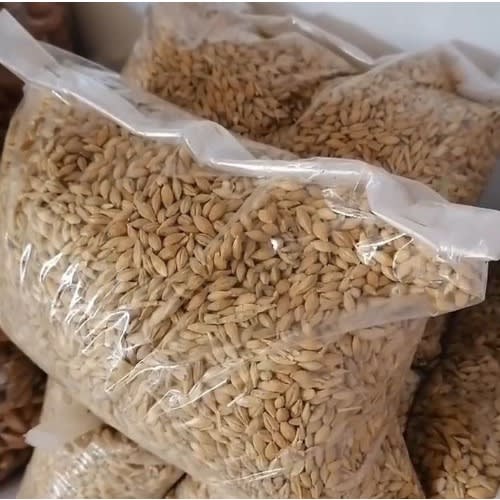
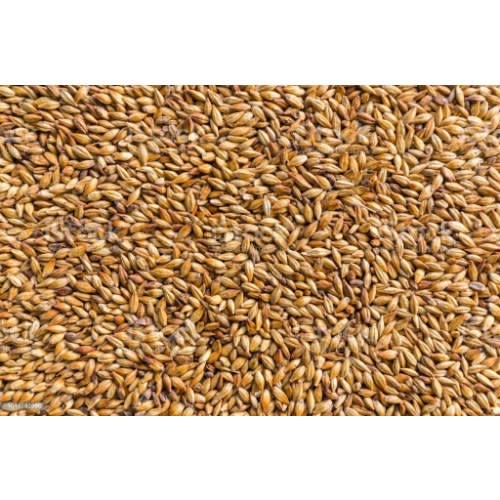
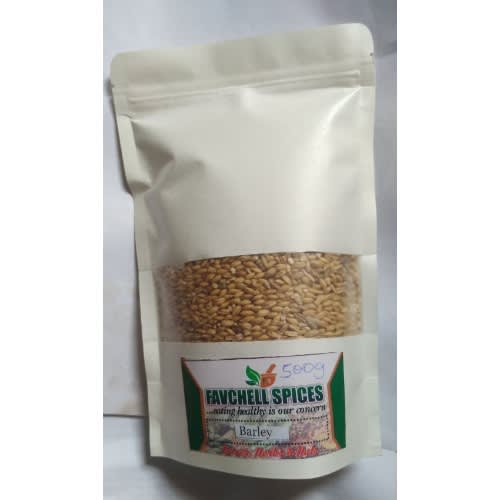
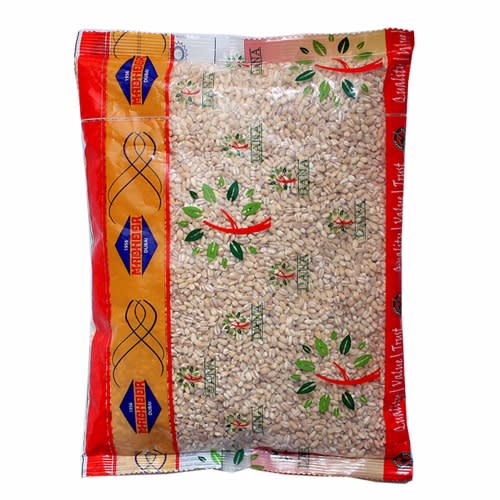
Organic Barley Seed -1kg
Barley is an excellent source of both soluble and insoluble fiber, which assures you good overall health over the long term. A very high fiber content, vitamins and minerals, antioxidants, heart health and diabetes protection are just some of the barley nutrition benefits that make it one of the best whole grainchoices.
Heart health. Barley's fiber, potassium, folate, and vitamin B6 content, coupled with its lack of cholesterol, all support a healthy heart. Barley is an excellent source of fiber, which helps lower the total amount of cholesterol in the blood, thereby decreasing the risk of heart disease. Barley works effectively on TYPE 2 diabetes
000RENG675288
Rehmie.com.ng
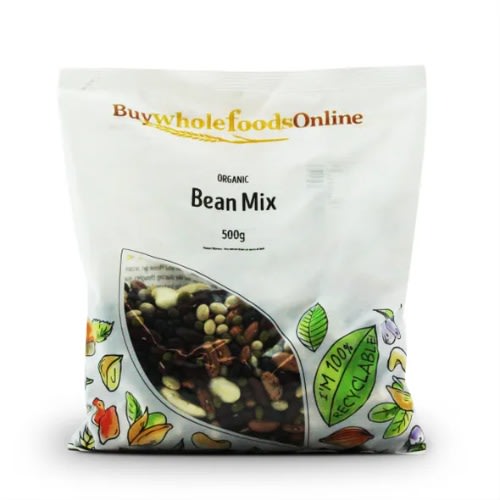
Organic Bean Mix -500g
Full of natural protein and vitamins, this organic bean mix is the perfect addition to soups, stews and chillies. These pulses are packed full of fibre and nutrients which are crucial to maintain a healthy diet.
Our Organic Bean Mix contains some of the finest legumes which include, Haricot beans, mung beans, aduki beans, pinto beans, black turtle beans, red kidney beans and butter beans. Because of their natural healthy content, beans are a fantastic superfood in that they slow release energy to make you feel fuller for longer.
Filling your diets with full of natural goodness, this organic dried bean mix is a great way to introduce some natural protein to your diets, simply cook and to a number of savoury dishes.
Benefits of Organic Bean Mix:
100% Organic ProductPacked with vital proteins and nutrientsCan be used in a number of recipesSuitable for vegans and vegetarians
Warning: Do not eat raw.
000RENG668385
Kirkland Signature
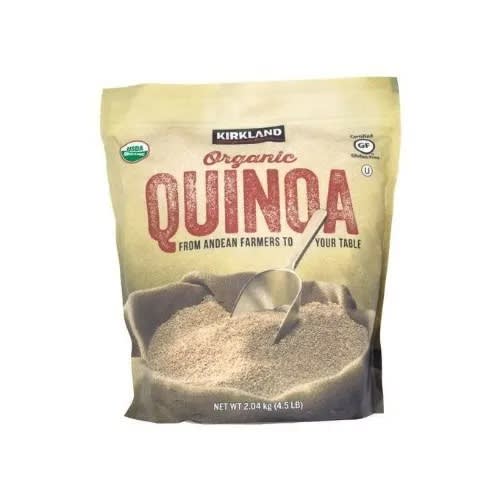
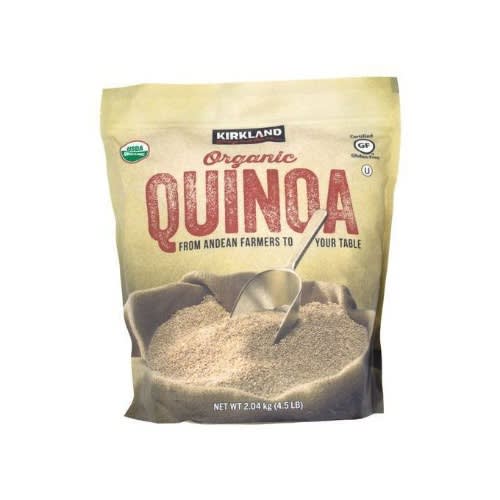
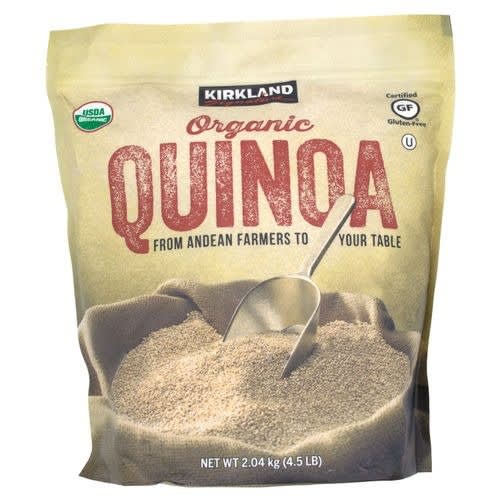
Organic Quinoa Grain - 2.04kg
Organic Quinoa (whole grain) is considered a "super food". Organic Quinoa is gluten-free, has a mildly nutty flavor, high in protein and has a low glycemic index. This versitile grain can be used in hot or cold recipes alike and is quick and easy to prepare. Quinoa is a great alternative to rice and pasta. Kirkland Signature Organic Quinoa is versatile and nutritious. Our quinoa is loaded with fiber, vitamins B and E, important antioxidants, and more. A healthy addition to any meal.
Quinoa-known as the “Mother Grain” in South American culture-dates back to the Incan Empire and is actually a seed, not a grain. Today, we enjoy quinoa for its great taste and nutritional properties. Quinoa is one of nature's complete plant proteins. What this means is that quinoa contains essential amino acids in the right proportions to help support human nutritional needs.
Kirkland Signature Organic Quinoa is cultivated by small-holder farmers in the Andean Mountains, who remain committed to sustainably grown, organic quinoa and continue to honor the farming techniques of their ancestors.
Organic
Gluten Free
Pre-Washed - No Need To Rinse
6g Protien per Serving
Cholesterol Free
Preservative Free
Product of USA
000RENG665108
Rehmie.com.ng
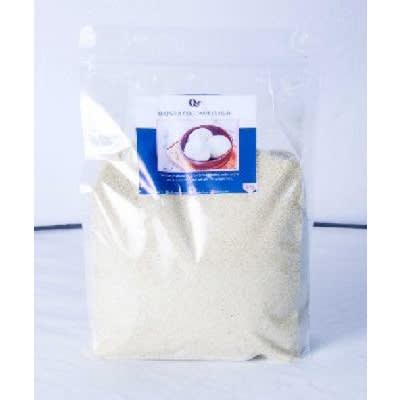
Coconut Flour 1kg
Coconut flour is a unique alternative to wheat flour.
It’s popular among low-carb enthusiasts and those who have a gluten intolerance.
In addition to its impressive nutrition profile, coconut flour may offer several benefits. These include promoting blood sugar stability, better digestion, heart health, and even weight loss.
This article examines coconut flour, including its nutrition, benefits, and how it compares to similar products.
What is coconut flour?
Coconut flour is made from coconut flesh that has been dried and ground.
It originated in the Philippines, where it was first produced as a by-product of coconut milk (1, 2Trusted Source).
During manufacturing, coconuts are first cracked open and drained of liquid. The coconut meat is then scraped out, rinsed, grated, and strained to separate the solids from the milk. This product is baked at a low temperature until dry before being ground into flour.
The resulting white powder looks and feels similar to flours made from grains like wheat and is very mild in taste.
Summary
Coconut flour is made from dried and ground coconut flesh. Mild in taste, its texture is similar to other flours.
Coconut flour is gluten-free
Coconut flour contains no gluten, making it an option for people with certain conditions, such as celiac disease, wheat allergy, or non-celiac gluten sensitivity.
Gluten is a group of proteins found in grains, including wheat, barley, and rye, and is difficult to break down during digestion. In some cases, gluten may trigger an immune response.
People intolerant to gluten may experience symptoms ranging from gas, cramps, or diarrhea to gut damage and nutrient malabsorption (3Trusted Source, 4Trusted Source, 5Trusted Source).
People with celiac disease or wheat allergy should avoid all gluten-containing grains, while those with a gluten sensitivity can choose either to reduce or completely eliminate this protein from their diet.
Coconut flour offers an alternative to wheat or other gluten-containing flours.
It’s also naturally grain-free, making it a popular choice for those on grain-free diets, such as the paleo diet.
Summary
Coconut flour is free of gluten. This makes it a great alternative for people with celiac disease, wheat allergy, or non-celiac gluten sensitivity.
ADVERTISEMENT
Weight management options have evolved
Take our quiz to learn more about techniques and tips that will help you achieve your goals.
Benefits of coconut flour
Coconut flour has a diverse nutrient profile and may offer a range of health benefits.
That said, few studies have directly examined coconut flour. Its potential benefits are based on research on its nutrients or beneficial compounds.
Rich in nutrients and beneficial fats
Coconut flour offers a variety of nutrients, including healthy fats. A 1/4-cup (30-gram) serving contains (6Trusted Source):
Calories: 120
Carbs: 18 grams
Sugar: 6 grams
Fiber: 10 grams
Protein: 6 grams
Fat: 4 grams
Iron: 20% of the daily value (DV)
In addition to being very rich in fiber, coconut flour provides medium-chain triglycerides (MCTs) and plant-based iron.
MCTs are a type of fat linked to several benefits, such as weight loss, protection against bacteria and viruses, and enhanced brain and heart health (2Trusted Source, 7Trusted Source, 8Trusted Source, 9Trusted Source).
Keeps blood sugars stable
Coconut flour is packed with fiber, which may help keep your blood sugar levels in check.
A 1/4-cup (30-gram) serving provides a whopping 40% of the DV for fiber, or 3 and 10 times more than the same quantity of whole-wheat or all-purpose flour, respectively (6Trusted Source).
Foods rich in fiber help regulate blood sugar levels by slowing down the speed at which sugar enters your bloodstream.
This is especially true for foods rich in soluble fiber, which forms a gel during digestion. Coconut flour contains small amounts of this fiber (10Trusted Source, 11Trusted Source).
It also ranks low on the glycemic index (GI), meaning that breads and baked goods made from it are less likely to spike blood sugar levels (1, 12Trusted Source).
May promote healthy digestion
The high fiber content of coconut flour may also benefit your digestion.
Most of its fiber is insoluble, which adds bulk to stools and helps move food smoothly through your gut, reducing the likelihood of constipation (13Trusted Source).
Additionally, coconut flour boasts small amounts of soluble and other fermentable fibers, which feed the beneficial bacteria in your gut.
In turn, these bacteria produce short-chain fatty acids (SCFAs) like acetate, propionate, and butyrate, all of which nourish your gut cells (1, 14Trusted Source).
SCFAs may also reduce inflammation and symptoms linked to gut disorders, such as inflammatory bowel disease (IBD) and irritable bowel syndrome (IBS) (14Trusted Source, 15Trusted Source, 16Trusted Source).
May improve heart health
Coconut flour may also benefit heart health.
Research shows that consuming 15–25 grams of coconut fiber daily may help lower total blood cholesterol levels by 11%, LDL (bad) cholesterol by 9%, and blood triglycerides by up to 22% (1).
What’s more, coconut flour provides lauric acid, a type of fat thought to help kill the bacteria responsible for plaque buildup in your arteries. This plaque is associated with heart disease (2Trusted Source).
Yet, other studies suggest that lauric acid may have no effect on or even raise LDL (bad) cholesterol, so lauric acid’s effect on cholesterol may vary by individual (1, 17Trusted Source, 18Trusted Source).
May help you lose weight
Coconut flour may help you shed excess weight because it offers both fiber and protein, two nutrients shown to reduce hunger and appetite (19Trusted Source, 20Trusted Source).
In addition, coconut flour contains MCTs, which are less likely to be stored as fat because they travel directly to your liver, where they’re used for energy production (21).
MCTs may also reduce appetite and are processed by your body differently than longer-chain fats found in foods like olives and nuts. This difference may help you burn slightly more calories (22, 23Trusted Source).
However, this effect is likely small. In a review of 13 studies, replacing longer-chain fats with MCTs helped participants lose only 1.1 pounds (0.5 kg), on average, over 3 weeks or more (24Trusted Source).
Keep in mind that the weight loss effects of MCTs usually require consuming much larger amounts than typically available in coconut flour.
May kill harmful viruses and bacteria
Coconut flour is rich in lauric acid, a type of fat that may fight certain infections.
Once ingested, lauric acid forms a compound known as monolaurin. Test-tube research shows that lauric acid and monolaurin may kill harmful viruses, bacteria, and fungi (2Trusted Source, 25Trusted Source).
For example, these compounds appear especially effective against infections caused by Staphylococcus aureus bacteria and Candida albicans yeast (2Trusted Source, 26Trusted Source, 27Trusted Source).
However, more research is needed in humans.
Summary
Coconut flour may promote stable blood sugar levels and a healthy heart. In addition, it may have antibacterial properties and aid digestion and weight loss, though research in these areas is limited.
Coconut flour uses
Coconut flour can be used in a variety of recipes, both sweet and savory.
You can substitute it for other flours when making bread, pancakes, cookies, muffins, or other baked goods. Just be mindful that coconut flour tends to absorb more liquids than other flours. For this reason, it cannot be used as a one-to-one replacement.
For best results, start by substituting 1/4 cup (30 grams) of coconut flour for every cup (120 grams) of all-purpose flour. You may also want to try increasing the total quantity of liquids by the amount of coconut flour you added.
For example, if you used 1/4 cup (30 grams) of coconut flour, make sure to pour in 1/4 cup (60 ml) of additional liquids.
Remember that coconut flour tends to be denser than other flours and doesn’t bind as easily.
Bakers often recommend that you mix it with other flours or add 1 egg for each 1/4 cup (30 grams) of coconut flour to help give your end product a fluffier texture.
This unique flour can also be used as breading or to thicken soups and stews. What’s more, you can use it as a binding agent in burger or veggie loaf recipes, as well as to make grain-free pizza crust or wraps.
Summary
Coconut flour can be used in a variety of recipes, including baked goods, pizza crusts, wraps, soups, stews, burgers, and meat and veggie loaves.
000RENG665046
Kirkland Signature
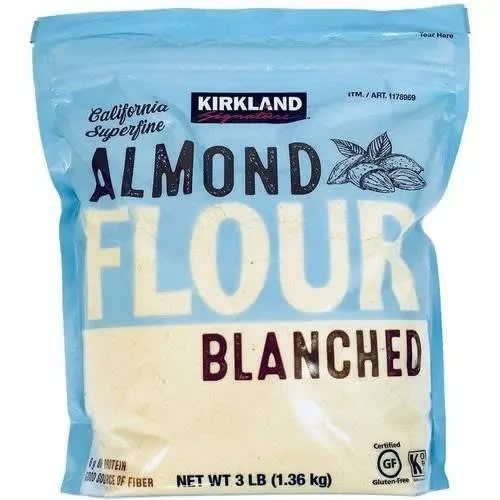
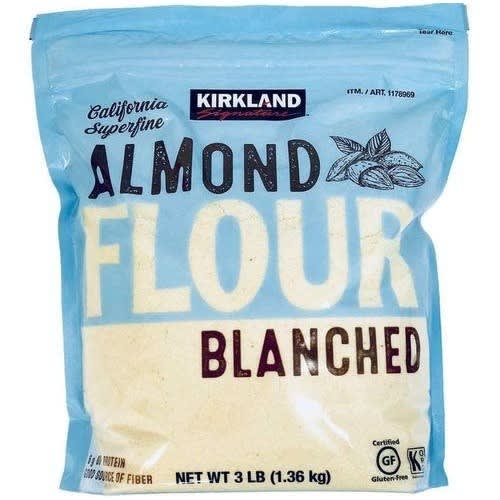
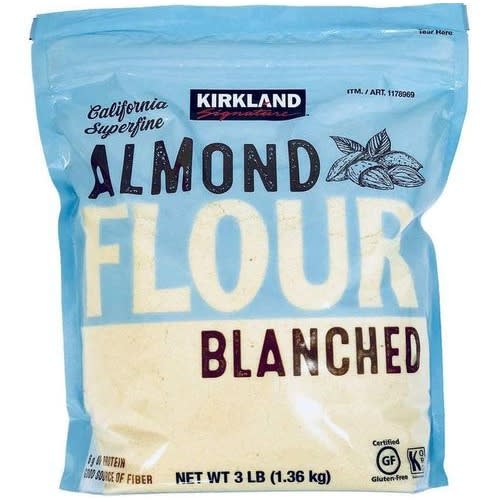
Almond Flour Blanched - 1.36kg
One Simple Ingredient, Almond, Are Blanched To Remove The Skins, And Then Finely Ground To Ensure A Delicate Flour- Ideal For All Your Baking Needs. Kirkland Signature Almond Flour Is Great For Those Looking For A Gluten FREE, Paleo-Friendly Flour.Almond flour is much lower in carbs than wheat flours, but higher in fat. Unfortunately, this means almond flour is higher in calories. However, it makes up for this by being incredibly nutritious.Almond flour is made of finely-ground, blanched almonds, which means the almonds have been boiled in order to easily remove the skin.Once boiled and skinned, the almonds are then ground in a blender or food processor until they reach an almost powdery, flour-like consistency. The result: a pale, sometimes light-yellowish flour that’s soft to the touch.Once boiled and skinned, the almonds are then ground in a blender or food processor until they reach an almost powdery, flour-like consistency. The result: a pale, sometimes light-yellowish flour that’s soft to the touch.
000RENG650370
Kirkland Signature
Almond Flour Blanched - 1.36kg
Almond, Are Blanched To Remove The Skins, And Then Finely Ground To Ensure A Delicate Flour- Ideal For All Your Baking Needs. Kirkland Signature Almond Flour Is Great For Those Looking For A Gluten FREE, Paleo-Friendly Flour.. Kirkland Signature Superfine Almond Flour are blanched and finely ground to make a delicate flour for your baking needs. It is rich flavour, fine textured and a good source of fiber. Almonds are the only ingredient on the Flour. It contains no preservatives or other additives. Natural and Superfine Flour- This superfine almond flour is low in carbohydrates, a good source of protein, fiber, vitamin E, and magnesium. It is certified gluten-free, Peanut Free, Non-GMO Project Verified, Kosher and paleo-friendly.Great Use for Baking- Almond Flour is simply raw blanched whole almonds that have been ground into a fine powder. An incredibly versatile kitchen essential that can be used in all types of cooking and baking recipes. Resalable Bag- This Kirkland Signature Superfine Almond Flour is pack in resalable bag. A container bag that can be sealed and close tightly again after they have opened. It is very accessible and convenient for opening and close.Include - Kirkland Signature Superfine Almond Flour- Blanched, 100% Pure, 3 LB - 1.36 Kg.
000RENG646805
Rehmie.com.ng
Kirkland Organic Quinoa -2.04kg
Quinoa is a grain crop that is grown for its edible seeds. It's pronounced It technically isn't a cereal grain, but a pseudo-cereal. In other words, it is basically a seed, which is prepared and eaten similarly to a grain. Quinoa was an important crop for the Inca Empire.
000RENG642576
Kirkland Signature
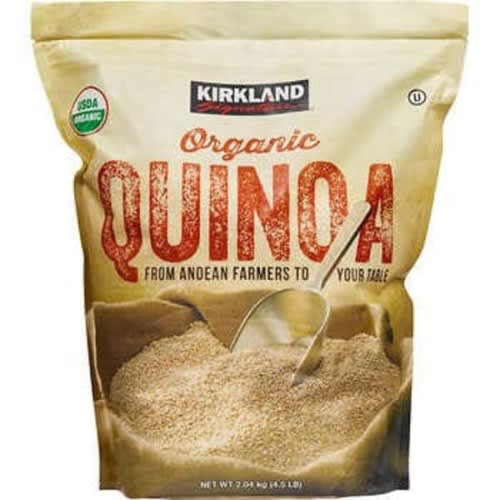
Organic Quinoa - 2.04kg
Organic Quinoa (whole grain) is considered a "super food". Organic Quinoa is gluten-free, has a mildly nutty flavor, high in protein and has a low glycemic index. This versitile grain can be used in hot or cold recipes alike and is quick and easy to prepare. Quinoa is a great alternative to rice and pasta. Kirkland Signature Organic Quinoa is versatile and nutritious. Our quinoa is loaded with fiber, vitamins B and E, important antioxidants, and more. A healthy addition to any meal.
Quinoa-known as the “Mother Grain” in South American culture-dates back to the Incan Empire and is actually a seed, not a grain. Today, we enjoy quinoa for its great taste and nutritional properties. Quinoa is one of nature's complete plant proteins. What this means is that quinoa contains essential amino acids in the right proportions to help support human nutritional needs.
Kirkland Signature Organic Quinoa is cultivated by small-holder farmers in the Andean Mountains, who remain committed to sustainably grown, organic quinoa and continue to honor the farming techniques of their ancestors.
000RENG636803
Rehmie.com.ng
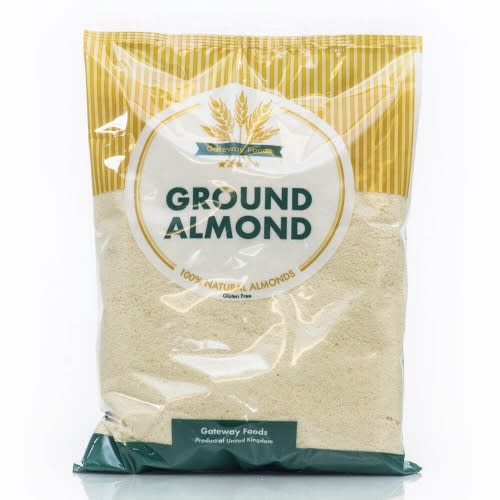
Gateway Foods - Ground Almond - 1kgX2
Gateway Foods Ground Almond contains 100% natural ground almond.Gluten-free, low in carbohydrates and high in unsaturated (“good”) fats.Can be used for making various delicious gluten free and fibre rich baked foods, pastries, bread and cakes.Idea for low carbohydrates and ketogenic diets.Packaged in a facility with strict allergen policy.Our Gluten Free products have been tested by an independent food allergy UKAS accredited laboratory and testing center.
Sizes1 pack contains 1kg of Gateway Foods Ground Almond.1 box contains 12kg (12 x 1kg pack) of Gateway Foods Ground Almond.
000RENG622840
Rehmie.com.ng
Kirkland Signature Almond Flour Blanched - 1.36kg
One Simple Ingredient, Almond, Are Blanched To Remove The Skins, And Then Finely Ground To Ensure A Delicate Flour- Ideal For All Your Baking Needs. Kirkland Signature Almond Flour Is Great For Those Looking For A Gluten FREE, Paleo-Friendly Flour.Almond flour is much lower in carbs than wheat flours, but higher in fat. Unfortunately, this means almond flour is higher in calories. However, it makes up for this by being incredibly nutritious.Almond flour is made of finely-ground, blanched almonds, which means the almonds have been boiled in order to easily remove the skin.Once boiled and skinned, the almonds are then ground in a blender or food processor until they reach an almost powdery, flour-like consistency. The result: a pale, sometimes light-yellowish flour that’s soft to the touch.
000RENG605896
Rehmie.com.ng
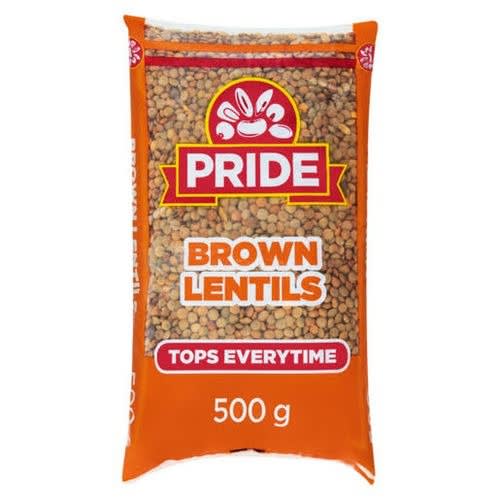
Brown Lentils -500g
Lentils belong to the legume family. They are a good source of B vitamins, folate, iron, and potassium. They also contain high levels of protein and fiber.
Lentils are relatively quick and easy to prepare, and their low cost makes them an accessible form of high quality protein for many people around the world.
In this article, we look at how lentils can boost health, investigate their nutritional content, and look at ways to incorporate them into a balanced diet.
Lentils are a plentiful source of fiber, and potassium. These nutrients all support heart health.
According to the American Heart Association (AHA), increased fiber intake can reduce levelsTrusted Source of low density lipoprotein (LDL) cholesterol, or bad cholesterol.
Not only does fiber have links to a lower incidence of cardiovascular disease, but it might slow the progression of the disease in high risk individuals.
Lentils add essential vitamins, minerals, and fiber to the diet. They also provide protein and are an excellent replacement for meat in meals.
When a person replaces meat in the diet with a high fiber food, such as lentils, they decrease their risk of heart disease.