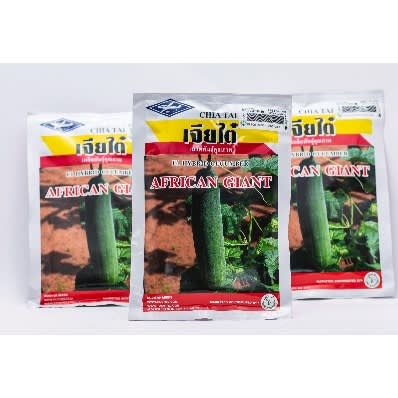
African Giant F1 Sets Of Hybrid Cucumber Seeds- 50g
Sets of 50g packs of Asian type large cucumber seeds, Well renowned for its adaptation to different climatic conditions, quick maturity rate, producing crops with excellent high yields, tolerance to heat, diseases and pests.
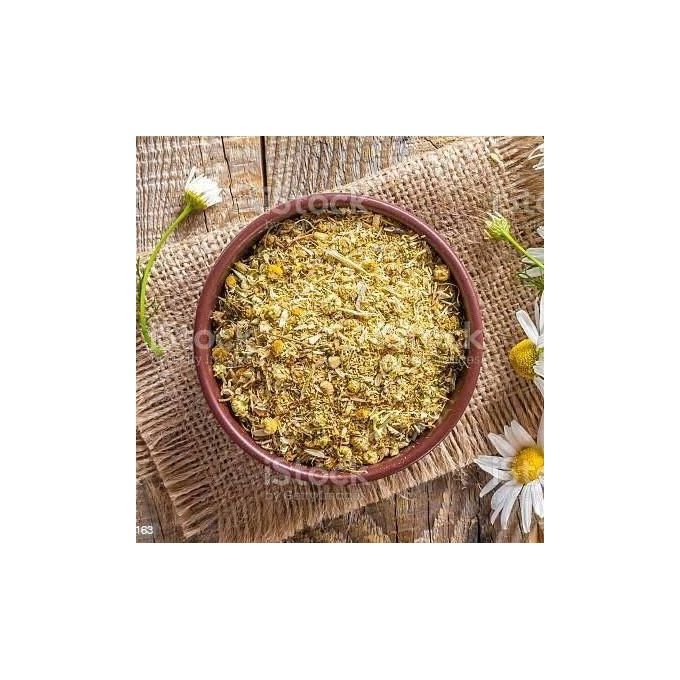
Our dried whole German chamomile flowers, also known as Wild Chamomile, Hungarian Chamomile, and Scented Mayweed, are grown in Egypt. Chamomile flower use is centered around its smoothing characteristics. Chamomile is globally recognized as a traditional relaxing, sleep-aiding herbal tea that is very gentle on the stomach. It’s also been used historically to soothe irritated or inflamed skin (often in conjunction with Calendula flowers). Our wholesale chamomile flowers are available in 8 oz quantities.
Lab Tested for Purity: Our nettle leaves cut sifted undergo comprehensive lab testing to ensure that they meet stringent quality standards. Through this testing process, we verify the absence of contaminants, heavy metals, and other impurities. This guarantees that you are receiving a product of the highest quality and purity.
Organically Grown: We source our nettle leaves from organically grown nettle plants. By choosing organically grown nettle leaves, you can enjoy a product that is free from harmful chemicals and produced in an environmentally conscious manner.
Cut Sifted for Convenience: Our nettle leaves are expertly cut and sifted, making them easy to handle and use. The cutting process ensures that you receive nettle leaves in a manageable size, while the sifting removes any fine particles, stems, or unwanted debris. This makes brewing tea or incorporating nettle leaves into your herbal preparations more convenient and efficient.
Premium Quality: We prioritize the quality of our nettle leaves. By sourcing from organically grown plants and subjecting them to lab testing, we ensure that our product is of the highest standard. This commitment to quality guarantees that you can enjoy the full benefits of nettle leaves while maintaining confidence in their purity and authenticity.
Versatile Usage: Our nettle leaves cut sifted can be used in various applications. They are commonly used for making nettle tea, herbal infusions, or as an ingredient in homemade herbal blends. Additionally, nettle leaves have been traditionally used for their potential health benefits. You can explore their use in culinary recipes, skincare preparations, or other creative projects.
100% natural product
Alleviates PMS
Enhances Female Fertility and Treats Menstrual Cycle Disorders
Reduces Symptoms of Menopause
May Reduce Migraines
Is Anti-Inflammatory and May Reduce Symptoms of Endometriosis
May Treat Uterine Fibroids
No hassle of transplanting
Wildlife friendly
Easy to grow
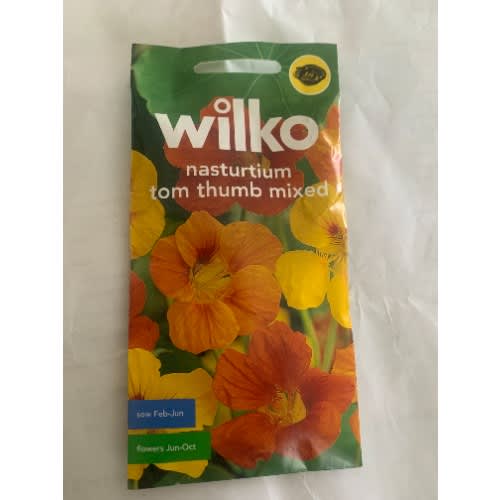
Decorate your garden with our Nasturtium Tom Thumb Mix, which features a charming mix of bright single flowers in orange and yellow. Good choice for edging mixed borders. Sow the seeds directly to the place where you desire to grow them. These bright-coloured flowers deeply attract bees, butterflies and pollinators. Sow indoors from February to March or outdoors from April to June, ready to flower from June to October. The average pack contains 35 seeds. Height: 30cm.
& lt;!--StartFragment-- & gt;
& lt;!--StartFragment-- & gt;
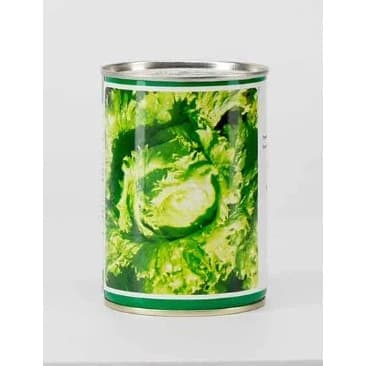
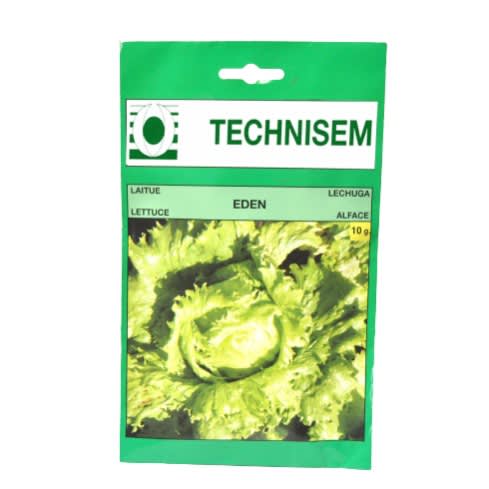
Eden Lettuce Technisem (100g)
Eden Lettuce Technisem (100g) can be grown all year long, even in hot and humid tropical area. In the dry season, irrigation by local sprinkling increases crop success.
Features of Eden Lettuce Technisem (100g)
Variety: Eden
Net Weight: 100g
Days to maturity: 50 days
Seed Quantity needed/acre:160g-240g.
of plants/acre: 32000-48000
Basic characteristics of variety: Big dark green heads resistant to heat and good shelf life.
This Iceberg variety produces some nice big and compact lettuce, which is tolerant to the heat and has long preservation after being harvested.
Heart: Very voluminous and heavy
Colour: Shining green
Average weight: between 600 to 700 gr
Leaves: Blistered and well divided
Precocity: 50 days after transplanting (depending on climate conditions and crop location)
Resistance: Flowering
How to Grow Eden Lettuce
Lettuce is an easy-to-grow annual vegetable. Considered a spring and fall crop, lettuce thrives when temperatures are between 60 to 70 degrees F. Many varieties reach maturity in as little as 30 days, and some can even be harvested much earlier as microgreens. From your garden beds to patio containers, these simple steps will give you a bountiful supply of crisp salad greens throughout multiple seasons.
When to Plant Lettuce
Lettuce loves cool weather. You can begin planting leaf, romaine and butterhead lettuce as soon as the soil can be worked in the spring. Depending on the variety, lettuce germinates in temperatures between 40 to 85 degrees F. If you plant lettuce in successive plantings, with 10 to 14 days in between, you’ll have an extended harvest. To prevent summer bolt, stop planting one month before warm summer temperatures start. Begin planting fall lettuce in late summer so it reaches maturity when the fall air is cool.
Head lettuce is usually started indoors or in a cold frame and transplanted in the spring after the last frost date. Growing lettuce from seedlings for early spring transplant is a good way to get a head start on the growing season.
Where to Plant Lettuce
The ideal lettuce growing location for spring and fall is in a spot that receives full sun. If you plan on growing lettuce during the summer or in warm planting zones, partial shade can provide protection from the heat. Growing lettuce from seed in late summer may require generous artificial shade to help cool the soil for germination. Once days become cooler, the shade can be removed to give plenty of sunlight to young lettuce plants.
& lt;!--EndFragment-- & gt; & lt;!--StartFragment-- & gt;
Lettuce grows best in loose, cool soil with good drainage. The addition of organic materials, such as compost or manure, will increase drainage, provide essential nutrients and improve your lettuce growing conditions. If you’ve had trouble with lettuce growth, consider purchasing a soil test kit. Lettuce is sensitive to low pH. The addition of lime can help bring the pH to at least 6.0.
How to Plant Lettuce
It does not take much work to grow lettuce from seeds. Lettuce seeds are often quite small and only require a planting depth of ¼ to ½ inch deep. Growing lettuce in rows gives your garden a traditional look. Consider alternating rows of green and red lettuce for a whimsical touch.
How far apart to plant lettuce depends on the type of lettuce you’re planting. When sowing seeds directly into the soil, you should plant approximately 10 seeds per foot. Space your rows 12 to 18 inches apart. Thin leaf lettuce seedlings to 4 inches apart. Romaine and butterhead lettuce seedlings require 6 to 8 inches between each plant. Removed seedlings can be transplanted or eaten as delicious, tender microgreens.
Head lettuce is usually grown from seeds started indoors during warm weather for a fall garden. Transplant head lettuce in rows 12 to 18 inches apart with 10 to 12 inches between each plant.
Water Requirements for Lettuce
You do not need lettuce to develop deep roots. In fact, you want to encourage leaf growth over rooting. Lettuce watering should be light, frequent, and consistent. The goal is to simply keep the soil moist. Avoid watering too often – overwatering leads to root rot, disease, and stunted grow.
Quantity: 100g
& lt;!--EndFragment-- & gt;
& lt;!--EndFragment-- & gt;
& lt;!--StartFragment-- & gt;
& lt;!--StartFragment-- & gt;
& lt;!--StartFragment-- & gt;
& lt;!--StartFragment-- & gt;
& lt;!--StartFragment-- & gt;
& lt;!--EndFragment-- & gt;
& lt;!--EndFragment-- & gt;
& lt;!--StartFragment-- & gt;
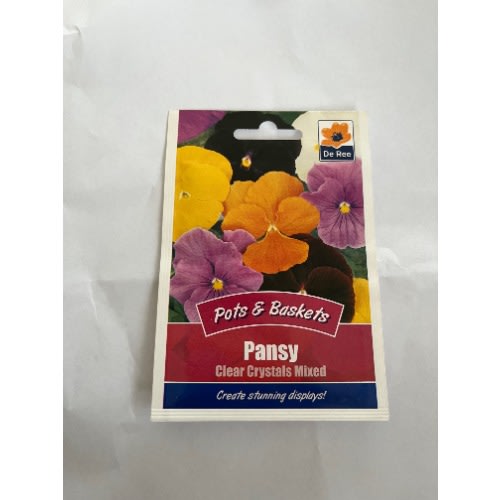
Great in containers, beds and borders
Will flower for much of the year
Easy to grow
Information
Popular for containers, beds and borders, this Pack of Clear Crystals Mixed Pansy Seeds will flower for much of the year. Can be grown as annuals, biennials or perennials, start sowing between February and August for flowing in May through October.
East West - Hybrid Habanero Hot Pepper Seeds - Piquante Red F1 - 500 Seeds
& lt;!--StartFragment-- & gt;
& lt;!--StartFragment-- & gt;
& lt;!--StartFragment-- & gt;
& lt;!--StartFragment-- & gt;
& lt;!--StartFragment-- & gt;
& lt;!--StartFragment-- & gt;
& lt;!--StartFragment-- & gt;
& lt;!--StartFragment-- & gt;
& lt;!--StartFragment-- & gt;
The Piquante Red F1 Habanero hot pepper hybrid variety seed commonly known as (Ata Rodo) is a product of the East-West Seed International. It is a highly nutritious product with an attractive aromatic taste.
Piquante F1 hybrid hot pepper shows strong plant vigour and a high fruit set. The seeds produce hot red pepper fruits and their shapes are slightly rectangular and highly uniform. The immature fruit is shiny bright green in colour and turns into deep bright red, when fully mature. Its pungency is high with an attractive aromatic taste.
Characteristics Of The Piquante F1 Red Pepper
The Piquante F1 has a maturity span of between 75 to 80 days
The plant’s vigour is moderate.
The fruit matures to an oblong-like shape
The fruit matures to a length of between 4.3-4.5cm with 2.5-3.0cm in diameter.
Its colour at immaturity is Green while when mature it turns to deep bright Red colour.
It has a thick wall with a high pungency and strong aromatic taste, which makes it very productive.
It is highly resistant to Tm and Cmv (cucumber Mosaic Virus).
Health Benefits Of Eating Hot Peppers
Hot peppers are beneficial against ulcers.
They serve as anti-irritants to the alimentary tract.
Hot peppers aid digestive issues such as healing an upset stomach, reducing intestinal gas, curing diarrhoea and acting as a natural remedy for cramps.
& lt;!--EndFragment-- & gt;
It also enhances the circulatory system and prevents heart disease. Consumption of hot peppers can also lead to dilatation of blood vessels to aid in blood flow.
It can also mitigate migraines and lessens body pains.
It helps improves metabolism and aids weight loss.
Hot pepper also fights against cancers.
It also serves as a disinfectant to bad breathe out, improving the odour of your breath.
& lt;!--EndFragment-- & gt;
& lt;!--EndFragment-- & gt;
& lt;!--StartFragment-- & gt;
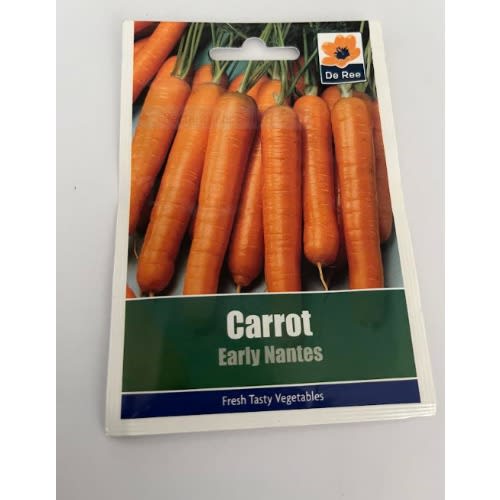
Early Nantes 2 Carrots are an early variety producing an abundance of blunt-ended carrots of excellent flavour. Packed full of nutrition with an enticing crisp texture, this variety is scrumptious both raw, steamed or roasted.
Fantastic flavour
Healthy and nutritious
Crisp and refreshing.
Sow Period: March - April
& lt;!--StartFragment-- & gt;
& lt;!--StartFragment-- & gt;
& lt;!--StartFragment-- & gt;
& lt;!--StartFragment-- & gt;
& lt;!--StartFragment-- & gt;
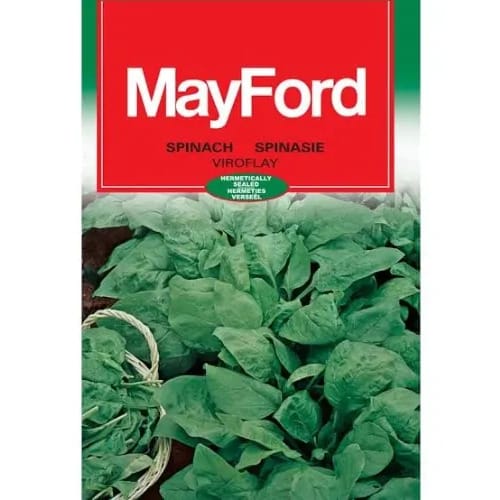
& lt;!--StartFragment-- & gt;This high-quality, heat- and drought-tolerant spinach is well-suited for spring sowing in long-day areas. Growing 8" tall with thick, deep-green, savoyed leaves, the acclaimed variety is slow to bolt. A 1952 All-America Selections winner, it was developed by the Dutch seedhouse Sluis & Groot. It is a long-standing, compact Bloomsdale type and can be frozen, canned, or used fresh. 43-55 days.
Instructions - Spinach grows best in cool weather and should be planted in early spring or late summer to produce a fall crop. For best yields, harvest continually and make successive plantings every ten days.
15.0g
& lt;!--EndFragment-- & gt;
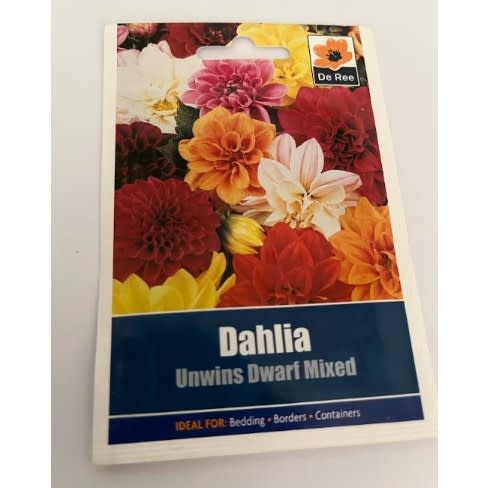
Make sure your garden is bursting with stunning flowers and striking colours with this wonderful Dahlia Unwins Dwarf Mixed Seed Packet. Add a gorgeous splash of colour to your beds and pots, from rich reds and soft creams to vibrant oranges and golds. These neat, compact plants with beautiful semi double flowers will create showstopping displays in your garden.
Neat and compact plants
Gorgeous splash of colour
Semi-double flowers
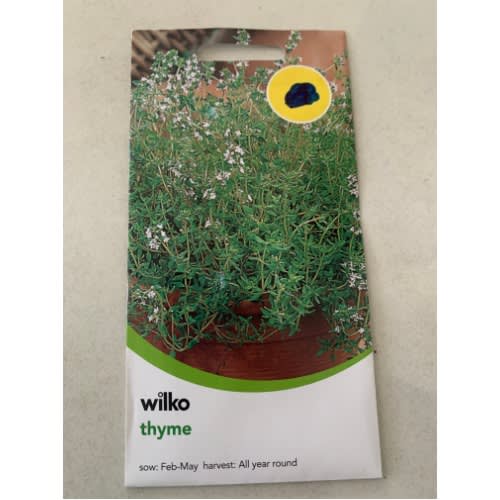
Thyme Seeds produce a resilient plant with an unmistakable fragrance and flavour. Traditionally used with meat dishes, thyme is also great for flavouring stuffing, Mediterranean dishes, olive oil and vegetable tray bakes. A great addition for your herb garden as well as border or path edging and mixed patio containers. A hardy perennial herb. Sow indoors from February to May, ready to harvest all year round.