



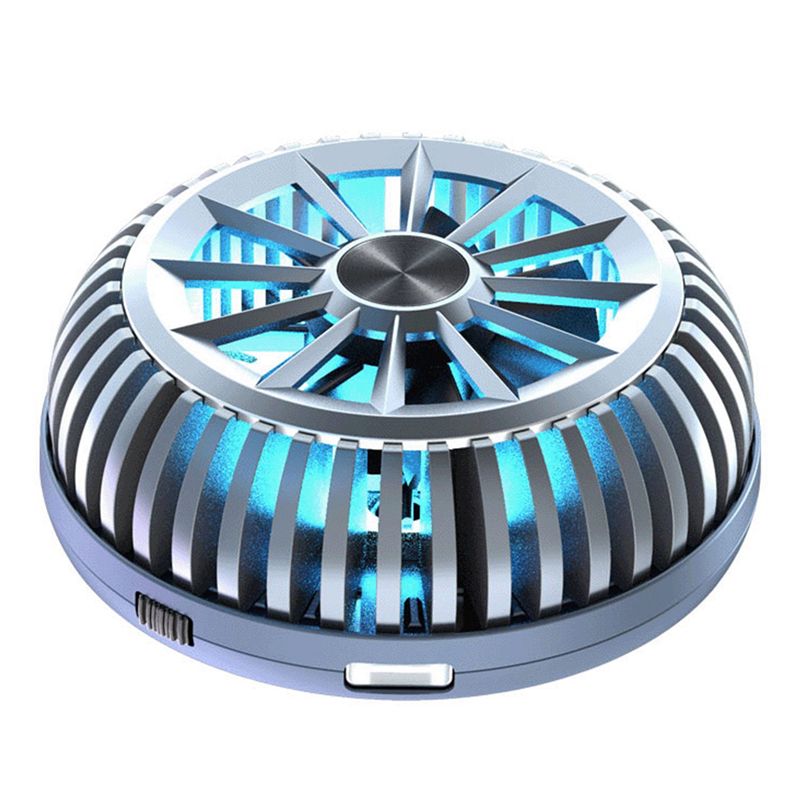
Buy S40 Mobile Phone Magnetic Cooler Radiator With Clip in Nigeria
You May Also Like








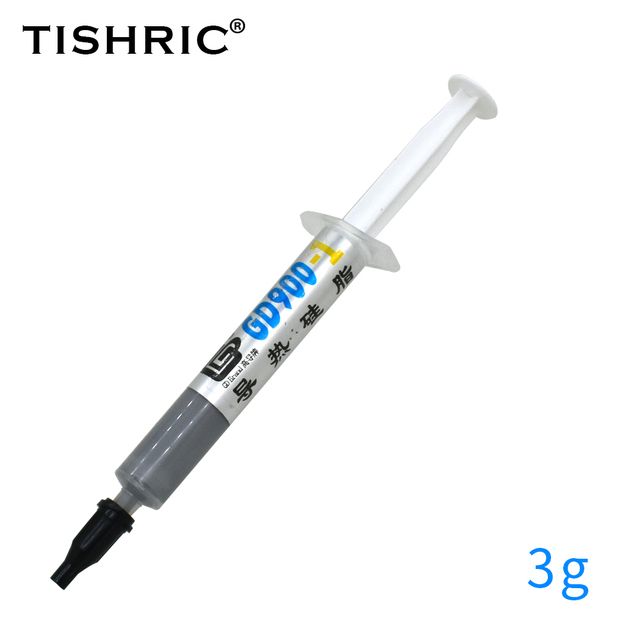
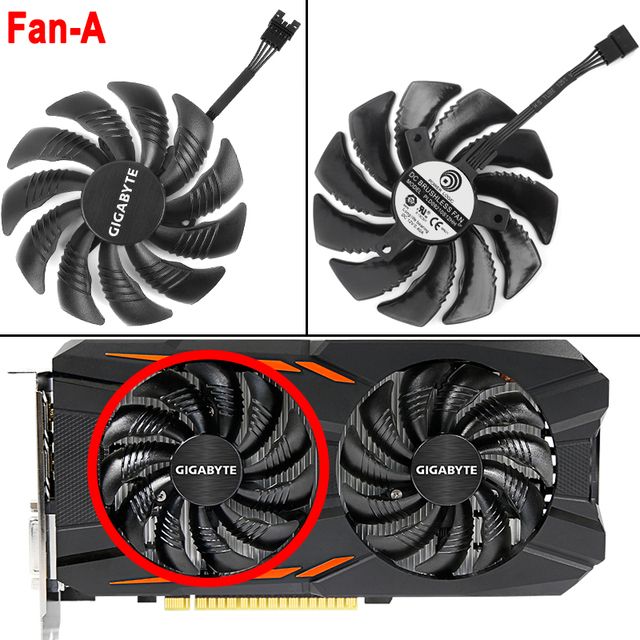
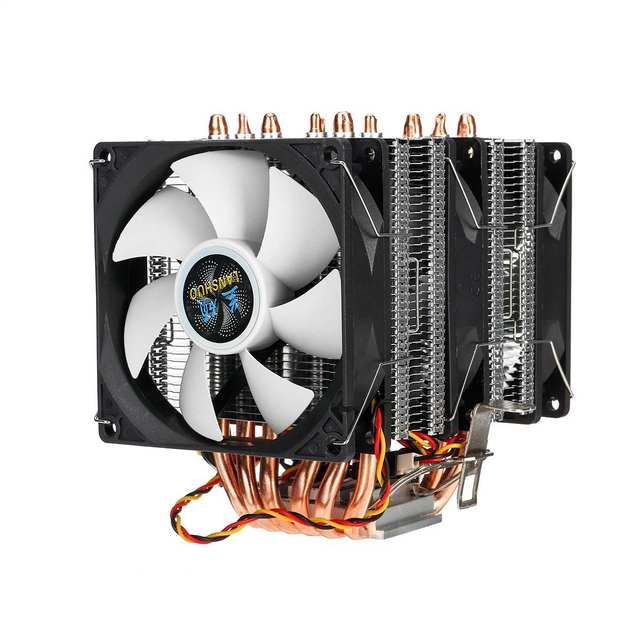
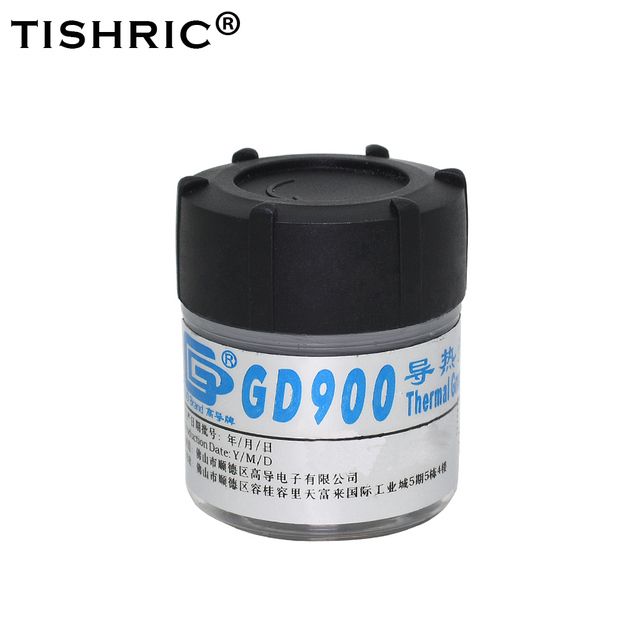
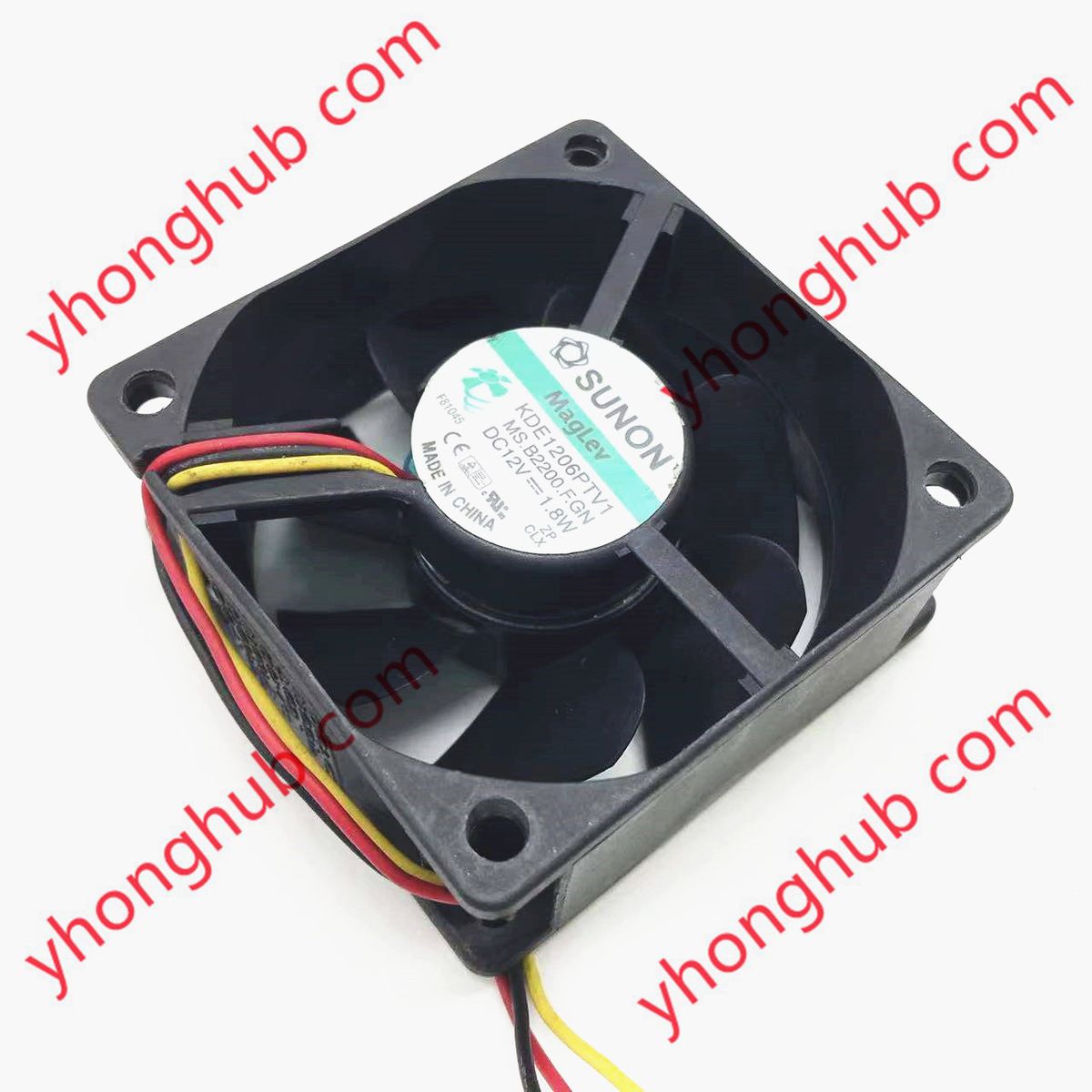
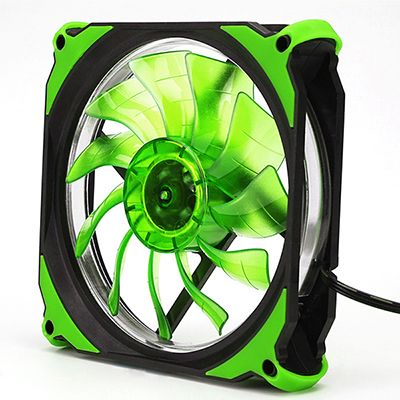

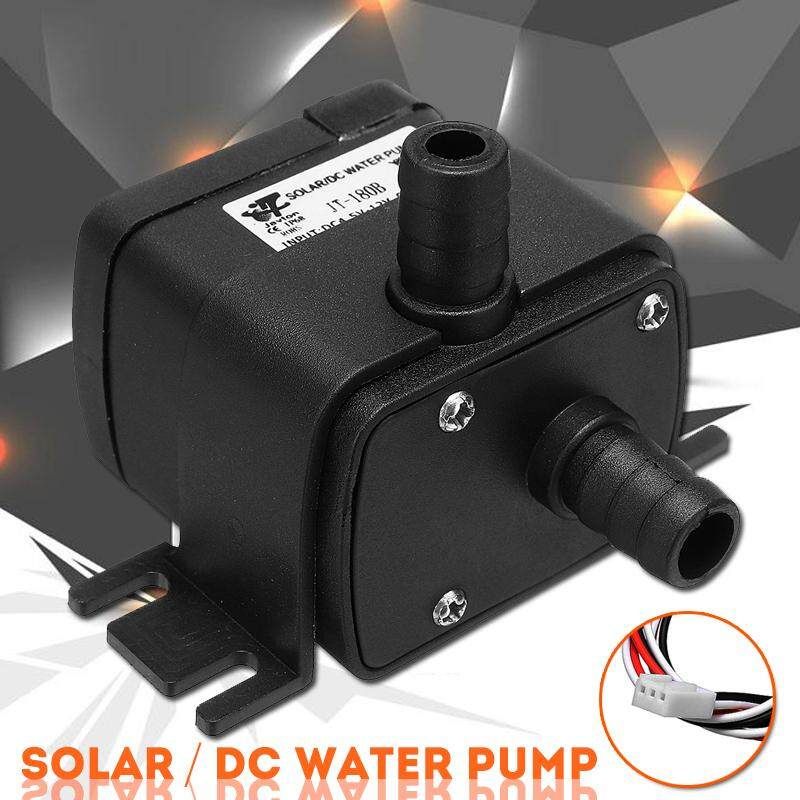
Solar / Water Pump Water Cooling Pump Small Submersible Pump Safe Household
₦ 47,597.90
₦ 50,103.05
-5%
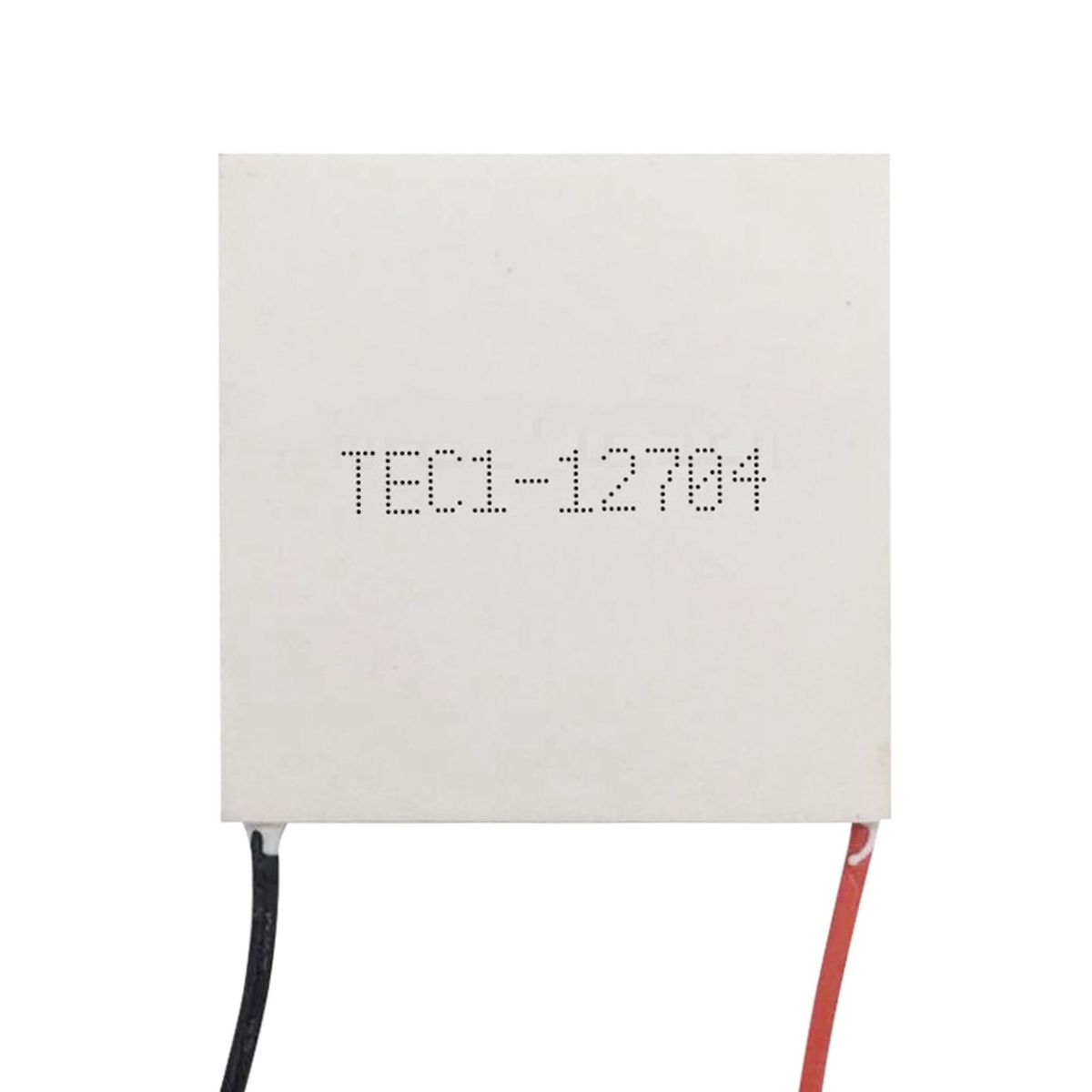
TEC1-12704 Thermoelectric Cooler Peltier 30mmx30mm TEC1 12704 Elements Module 12V4A Cooling Peltier
₦ 17,719.40
₦ 18,652.00
-5%

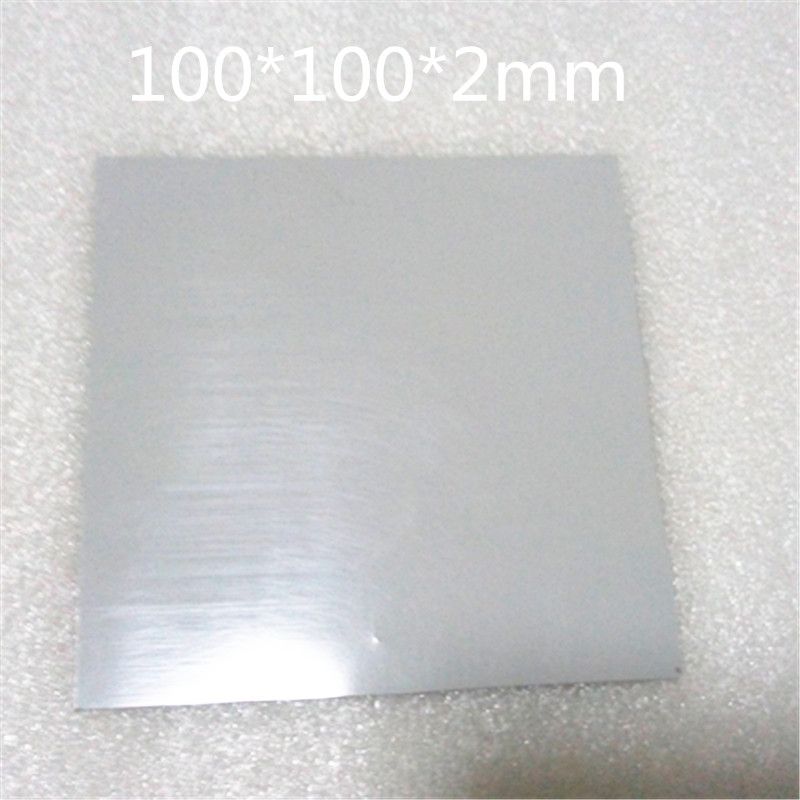
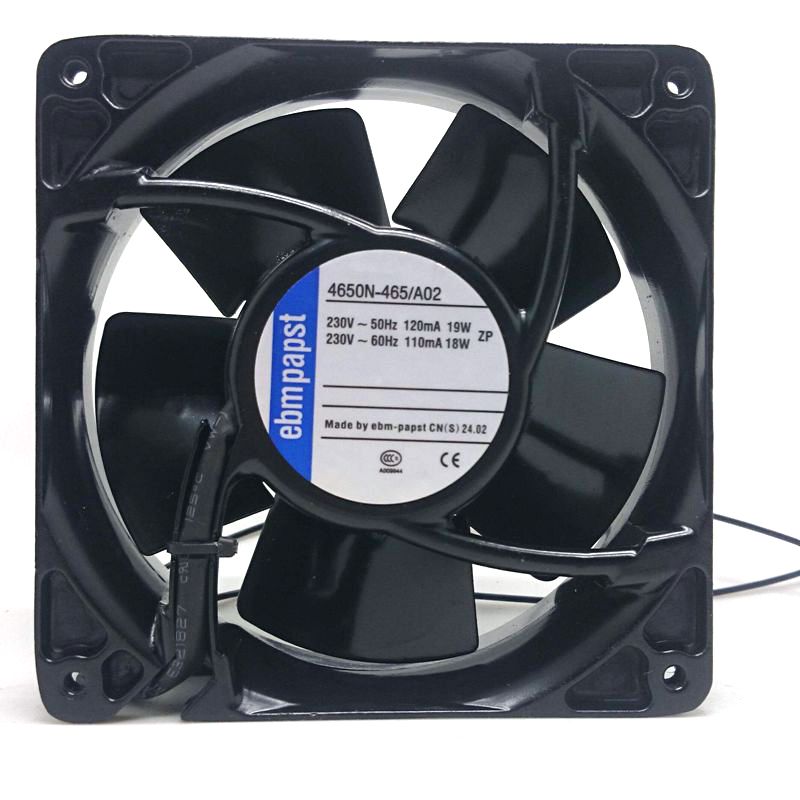
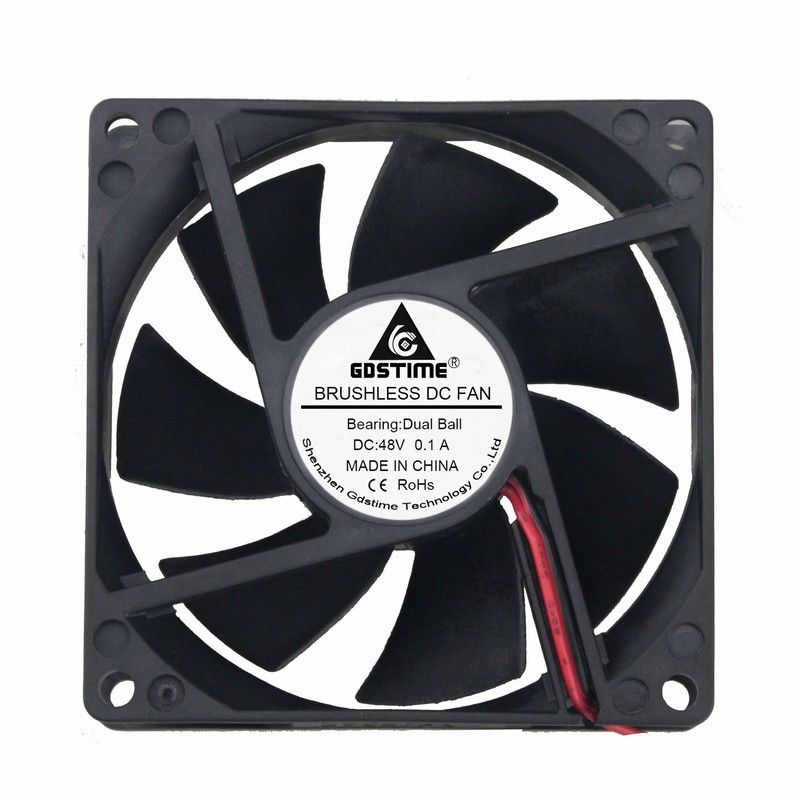
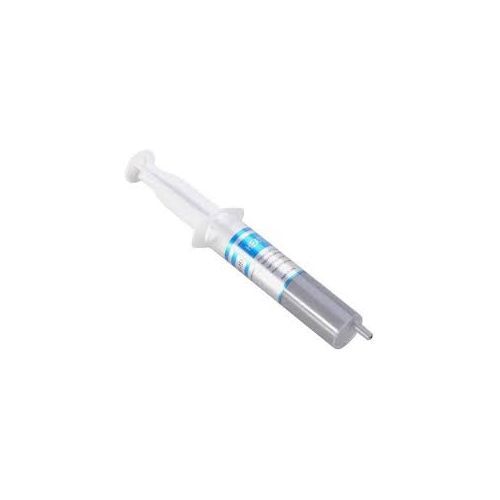
100% Genuine Original Thermal Conductive Paste For CPU Chipset Cooling 20ml
₦ 8,803.77
₦ 9,267.13
-5%

Featured Products
000RENG583508
Rehmie.com.ng
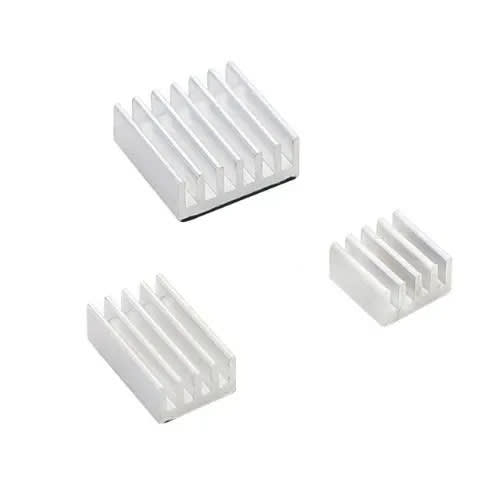
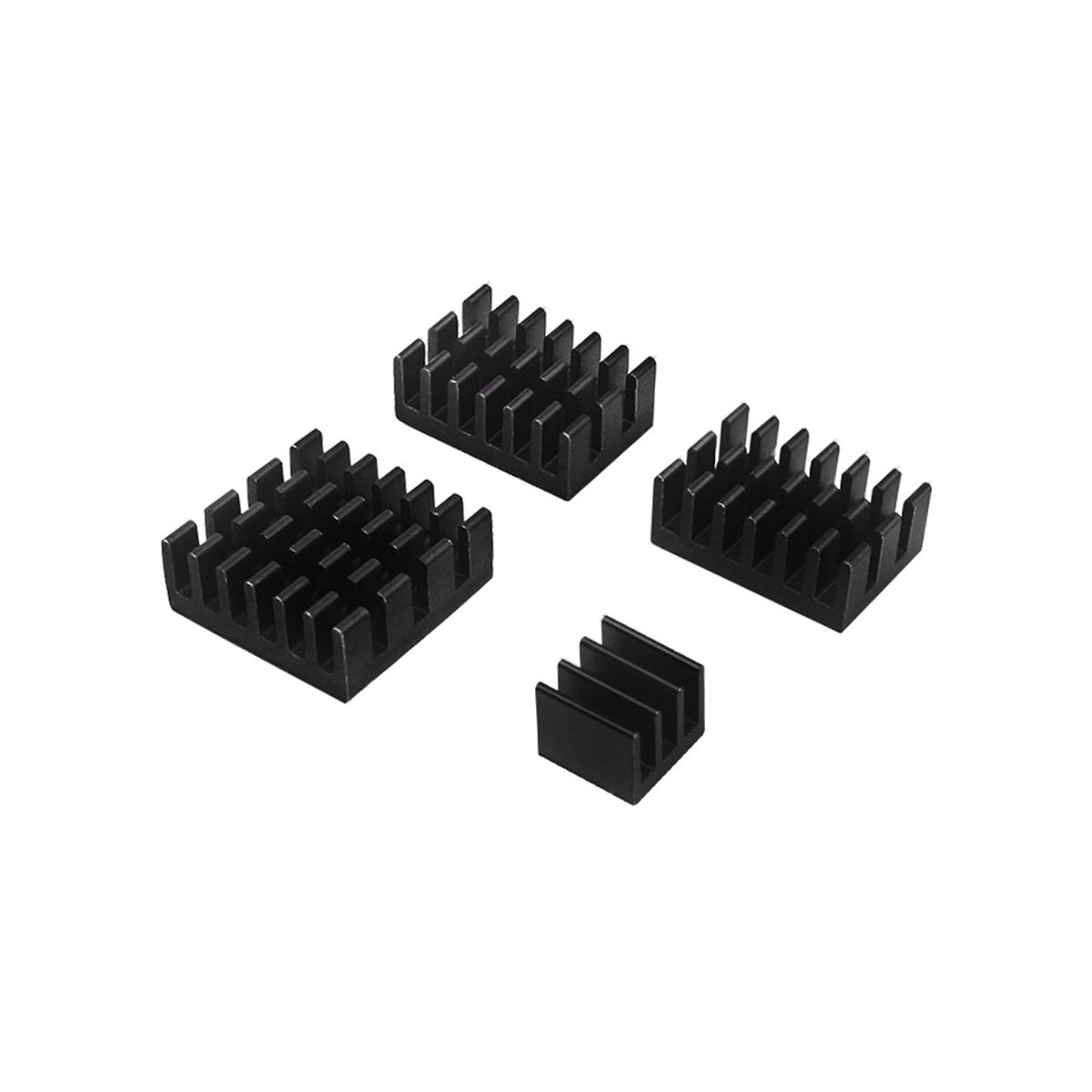
Raspberry Pi Aluminum Heatsink - 4 Pcs
Get your Pi running ~10 degrees cooler by installing these heat sinks. This small modification/upgrade will have your Pi:
Run Cooler
More Efficient
Last Longer
This kit will work just fine on the Raspberry Pi 3B and 4.
Installation:
Each heat sink will come with some adhesive, simply peel back the tape on the flat side of the heat sink and apply it to the Raspberry Pi ICs. If you need more help with the how and why of cooling, we've written this Cooling the Raspberry Pi guide.
Technical Information:
Each pack comes with three aluminium heat sinks:
1 x Large - 15mm x 15mm x 5mm
2 x Small - 9mm x 9mm x 5mm
The low profile (~5mm) of each of these heat sinks means they fit into most of our Pi Cases. Cool!
000RENG576246
Rehmie.com.ng
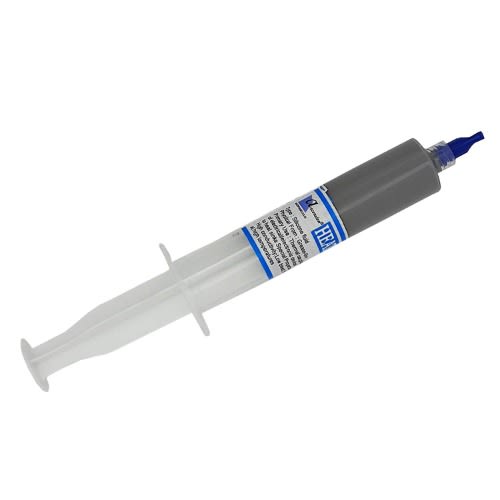
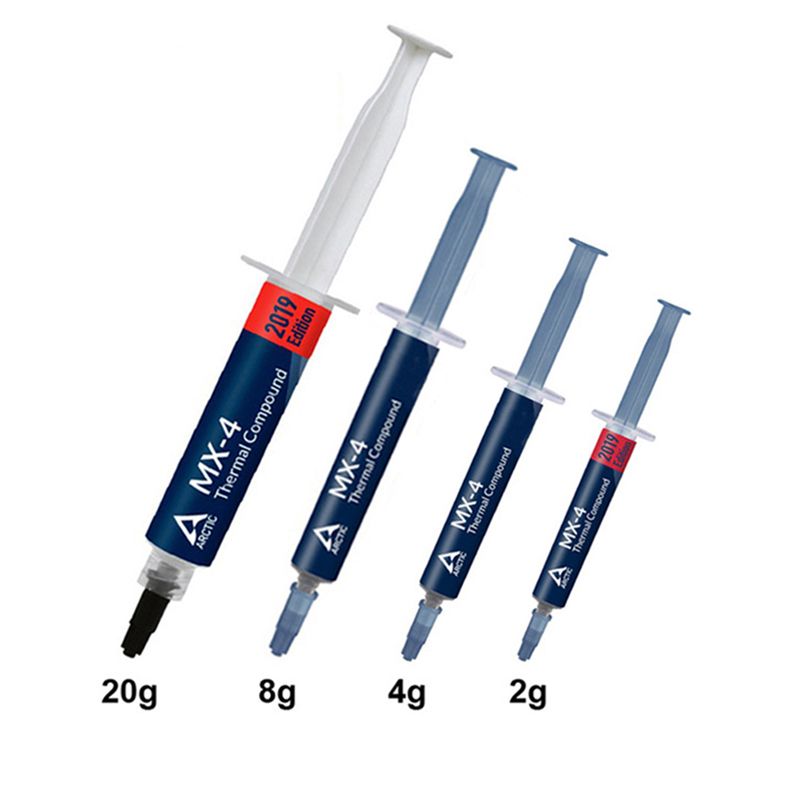
Paste Heat Sink Compound For CPU And Chipsets -Grey
Ascension Thermal Grease Paste
Conductivity
Graphite Thermal Grease,thermal Conductivity 1.93W/m-k~2.15W/m-k.
Uses
The Heat Sink Paste is metal-free and non-electrical conductive which eliminates any risks of causing short circuit, adding more protection to the CPU and VGA cards.Generally used as a thermal coupling of electrical / electronic devices to heat sinks such as base or mounting studs of transistors, diodes and rectifiers.
Increases Efficiency of Devices
It is used for maintaining a positive heat-sink seal that improves heat transfer from the electrical / electronic component / device to the heat sink or chassis, there by increasing the overall efficiency of the component / device.
How to Use
Clean the object and heat sink surfaces
Wipe the surface lightly with a cotton ball or cotton swab dampened with isopropyl alcohol. The higher the percentage of alcohol the better. 70 percent is good but 90 percent is better (if you can find it).
Sand the heat sink and object surfaces if necessary
Thermal paste is designed to fill in the gaps and imperfections on the surfaces that you are joining. Since modern production techniques cannot make surfaces without imperfections, thermal paste will always be necessary.
How to Apply Thermal Paste
3 Popular Approaches:
The lines method & ndash; Place two thin lines of thermal compound on the base of the cooler. The lines should be parallel and spaced so that they are each placed a third of the width of the processor. The lines themselves should also be about a third of the processor & rsquo;s width in length.
The cross method & ndash; This is very similar to the previous method, but the lines are crossed in an & ldquo;X & rdquo; pattern instead of parallel. The length and thickness of the lines should be the same as the previous method.
The spread method & ndash; This is one of the most popular and effective methods, but takes a little more effort. Place a small amount of thermal paste onto the base of the cooler. Using a plastic finger protector or a plastic bag, use your finger to spread the paste evenly across the surface. Make sure to cover the entire surface that will be in contact with the processor, and ensure that you do not apply the paste too thick. In most cases, the paste should barely hide the metal underneath.