


Buy 4GB DDR3 Memory Ram 1.5V 1600MHz PC3-12800U 240 Pin DIMM Desktop RAM Memory for Intel AMD Computer Memory in Nigeria
You May Also Like

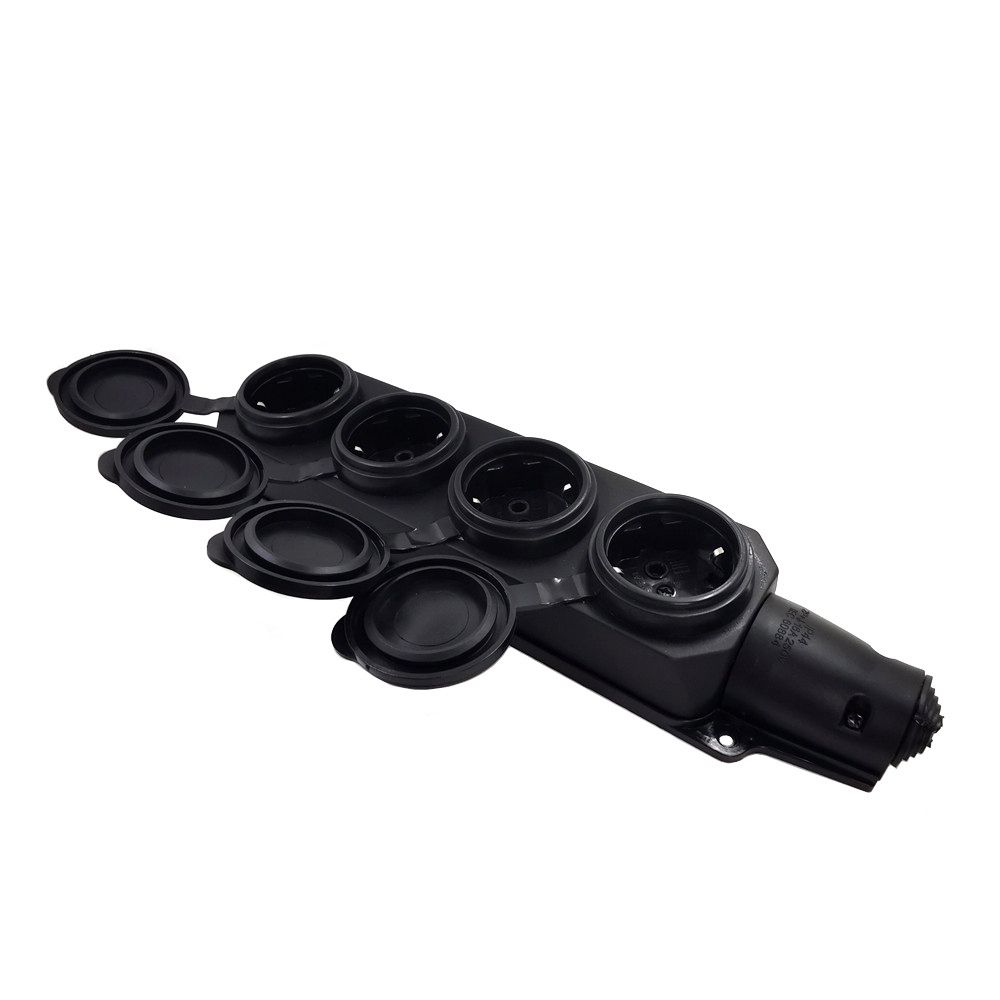

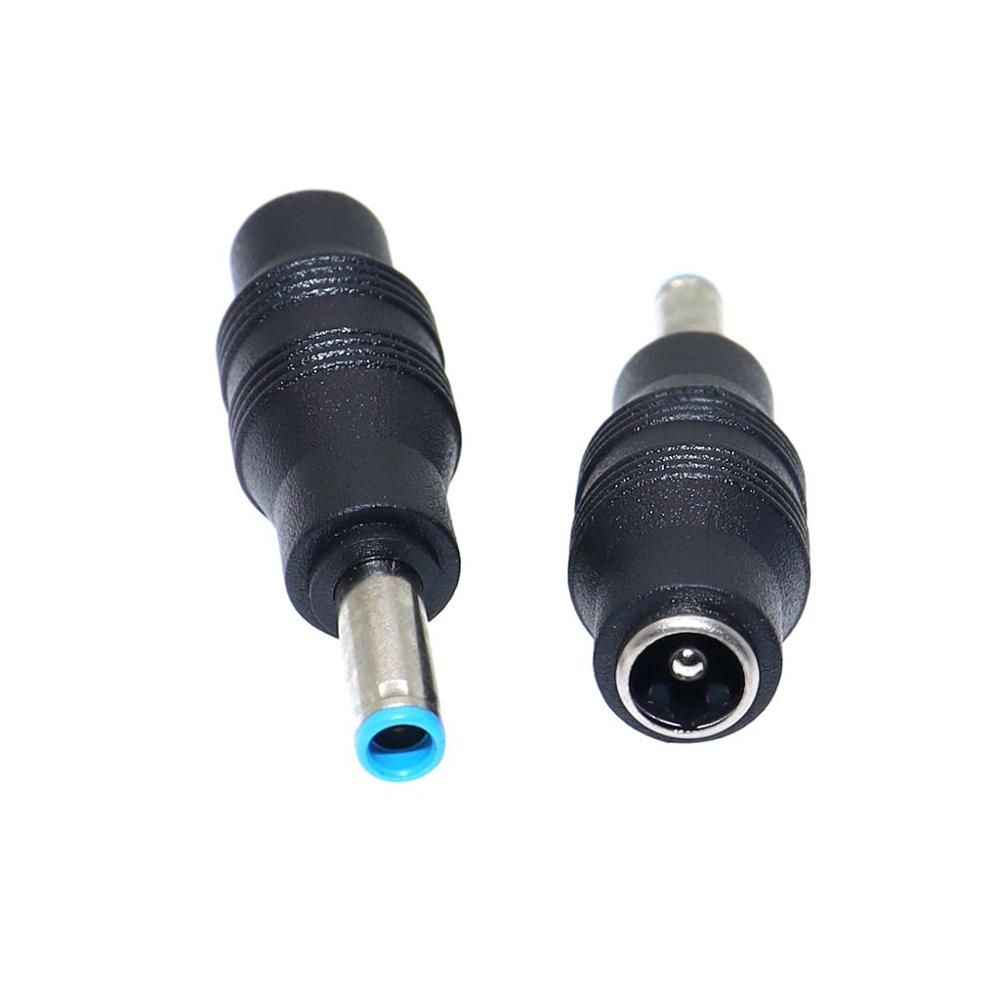
4.5 X 3.0 Mm 7.4 X 5.0 Mm DC Male To 5.5 X 2.1mm DC Female Power Plug Adapter Connector With Chip For DELL For
₦ 30,996.95
₦ 32,628.37
-5%
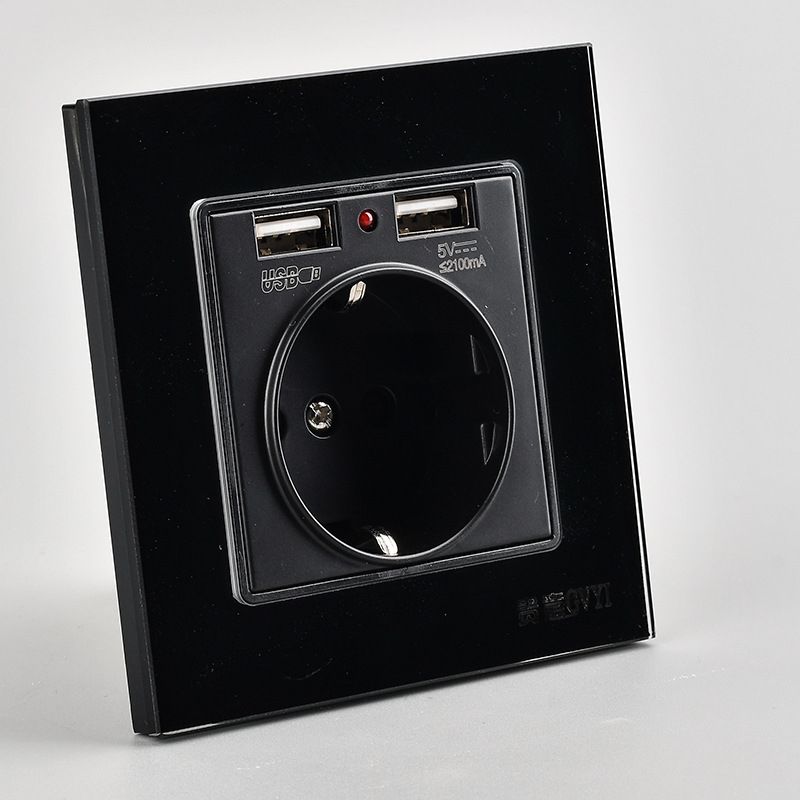
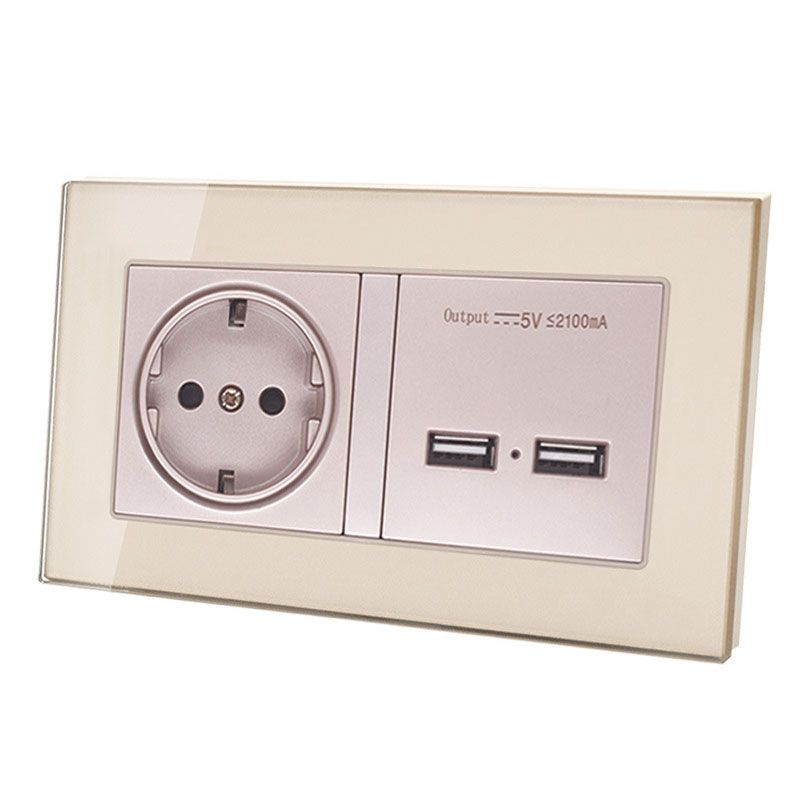
Smart Outlet Dual USB Port Wall Socket Charger Adapter EU Standard Electrical Plug Socket 16A Power Wall Outlet
₦ 41,302.65
₦ 43,476.47
-5%
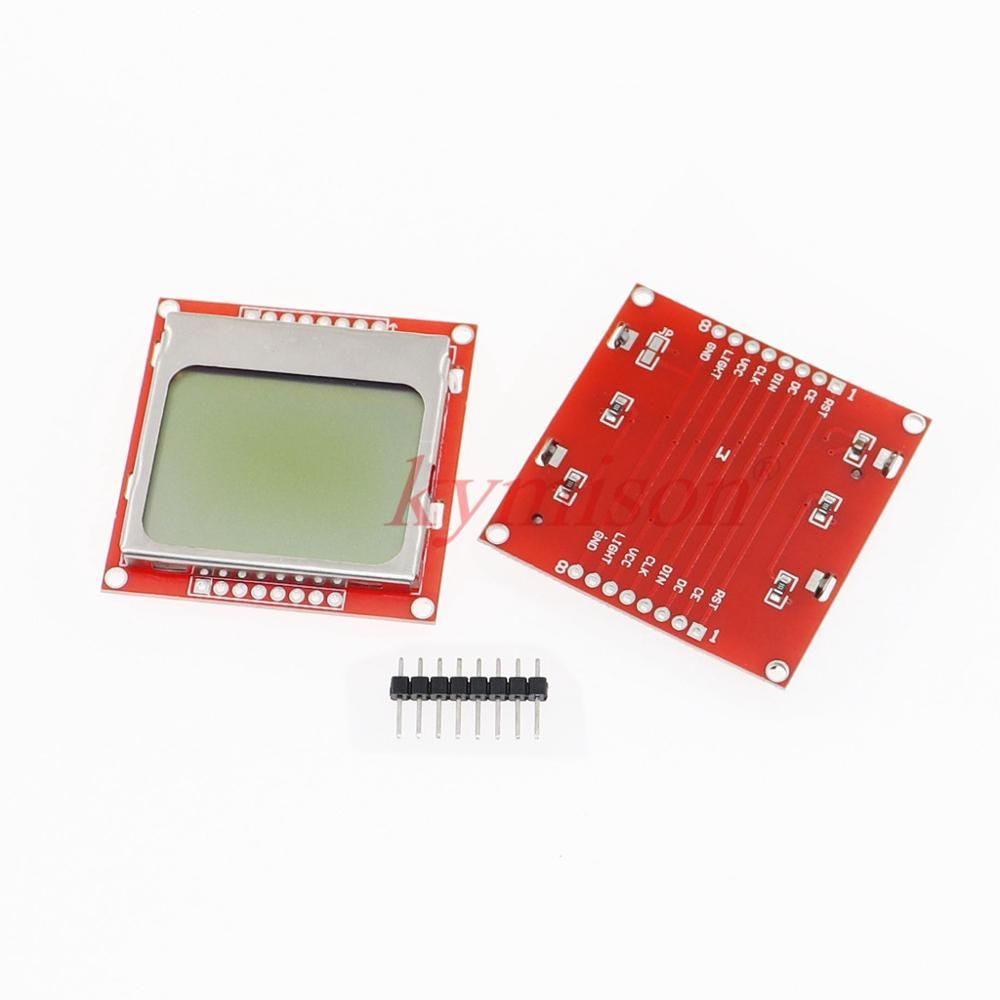
84x84 5110 Screen For Arduino Smart Electronics LCD Module Display White Blue Backlight Adapter 84*48 1pcs
₦ 33,489.50
₦ 35,252.10
-5%




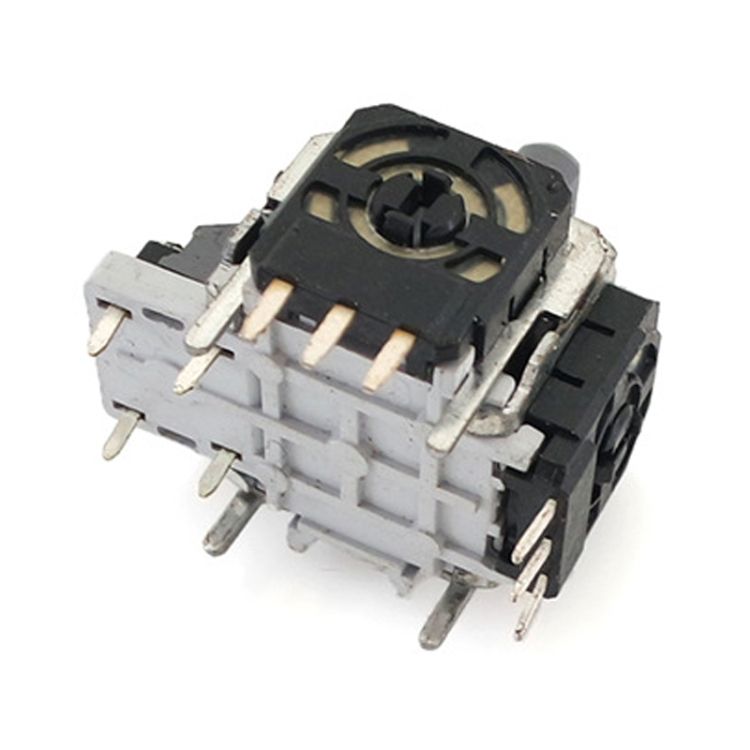
For Sony PS4 ML-ps4007 Joystick, Color: Black Gray Bottom For PS4 / Xbox One Black Gray Bottom
₦ 14,108.40
₦ 14,850.95
-5%



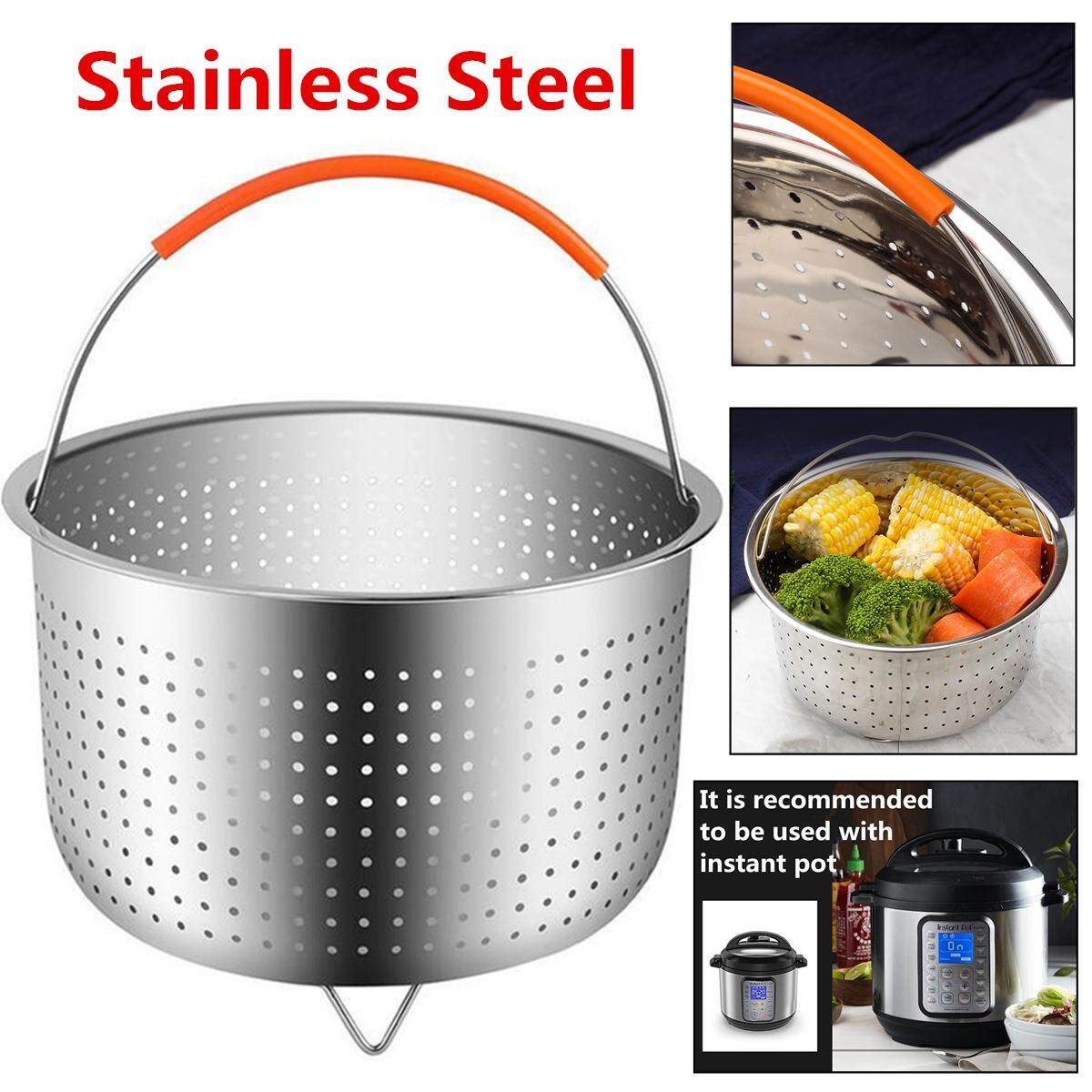
Basket For Instant Pot Accessories 6/8 Qt - Stainless Steel Steam Instant Pot
₦ 135,395.99
₦ 142,522.09
-5%
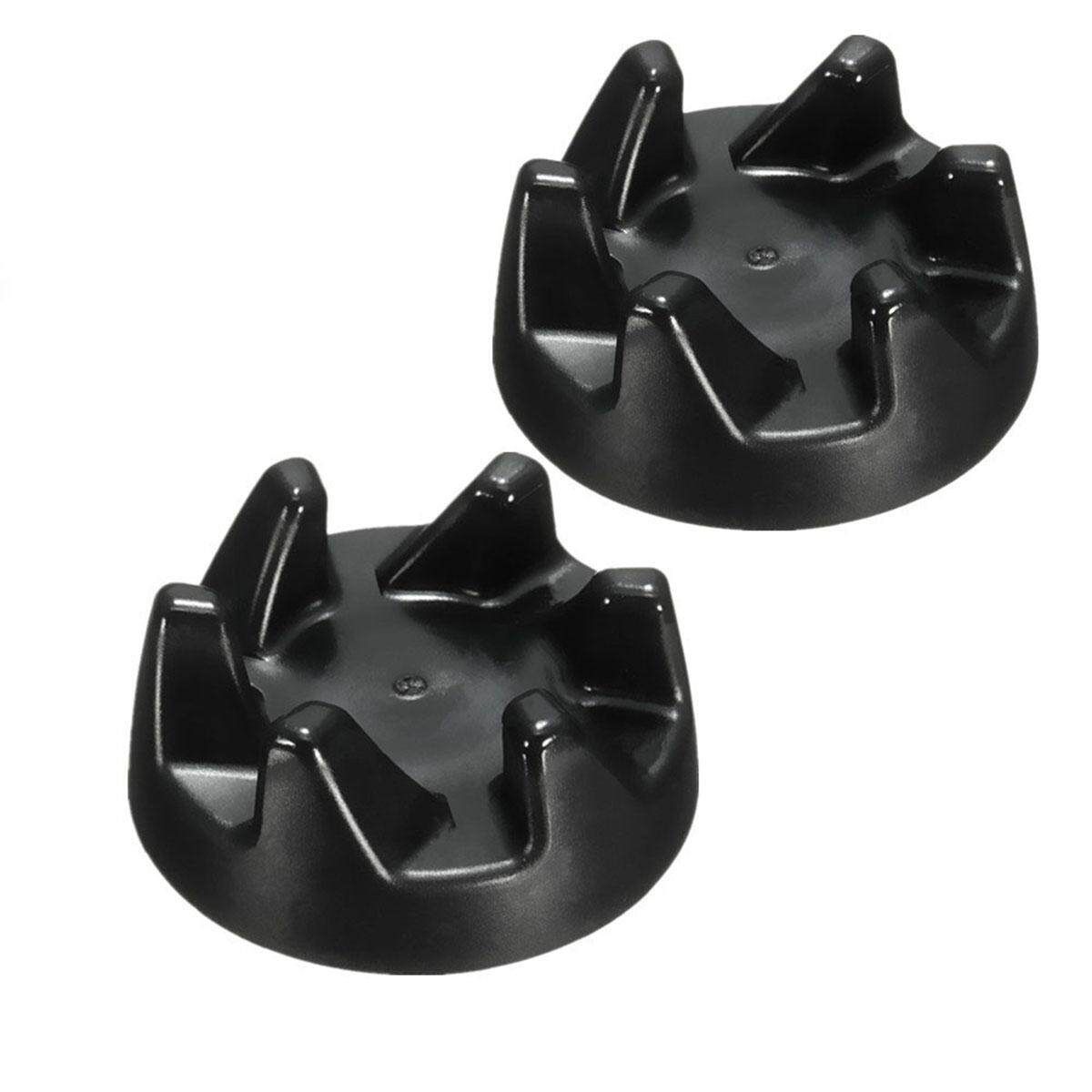
2pcs For Kitchenaid Rubber Blender Clutch Coupler Coupling Gear Replacement 9704230
₦ 32,403.00
₦ 34,108.42
-5%
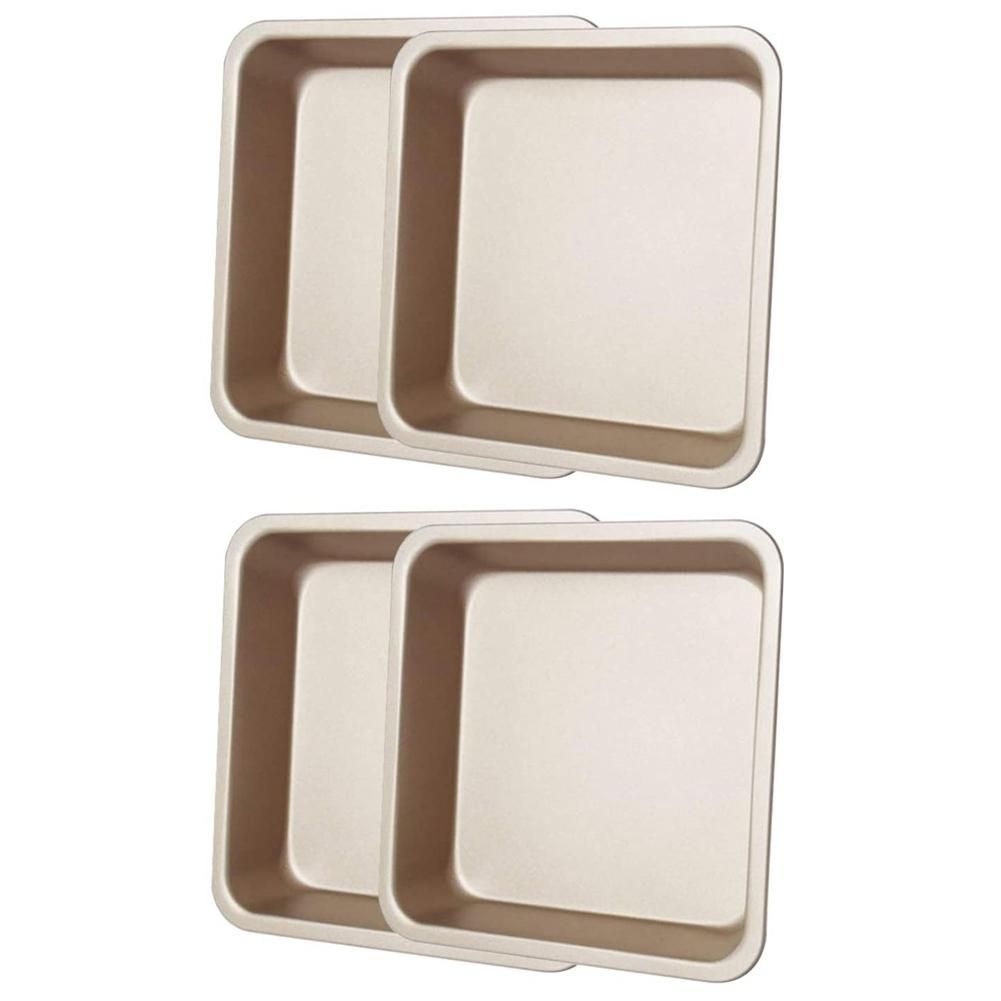
8 Inch Square Cake Pan, Nonstick Bakeware Carbon Steel Toast Mold Baking Tray for Cakes, Bread, Pizza
₦ 112,883.25
₦ 118,824.47
-5%
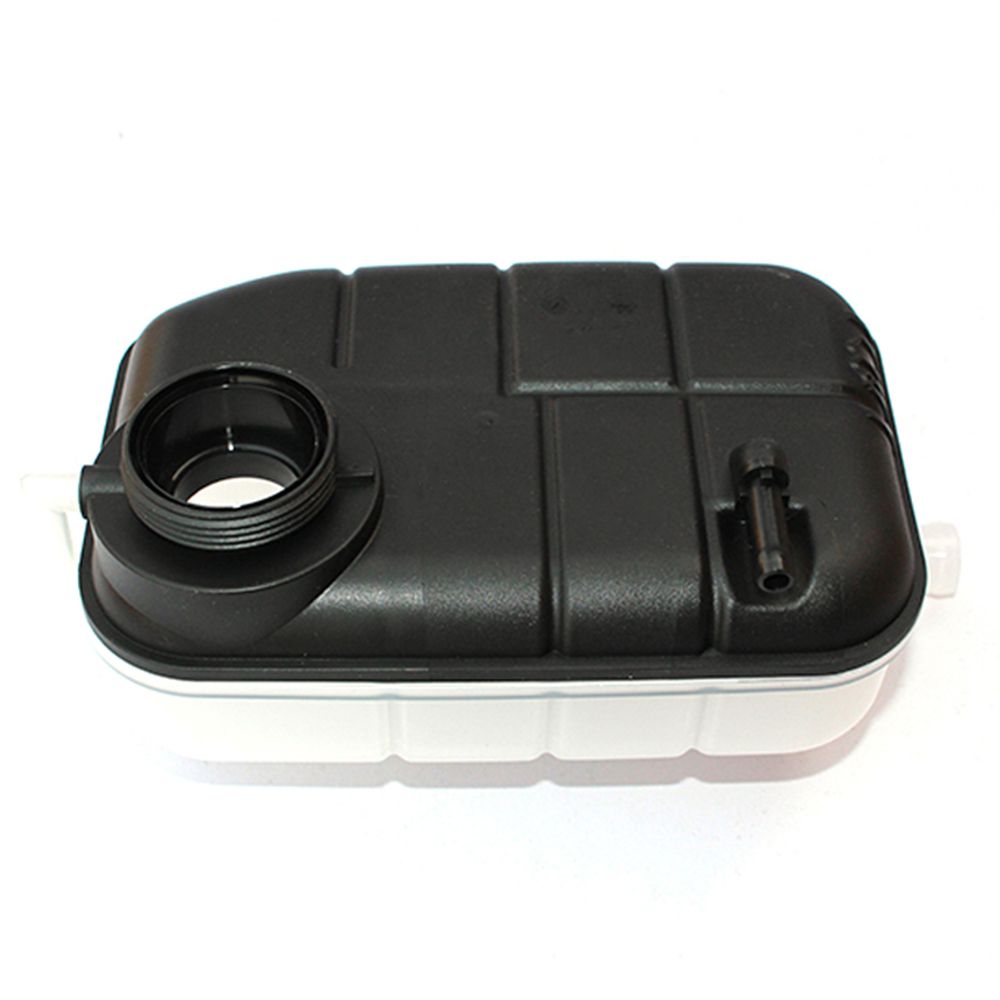
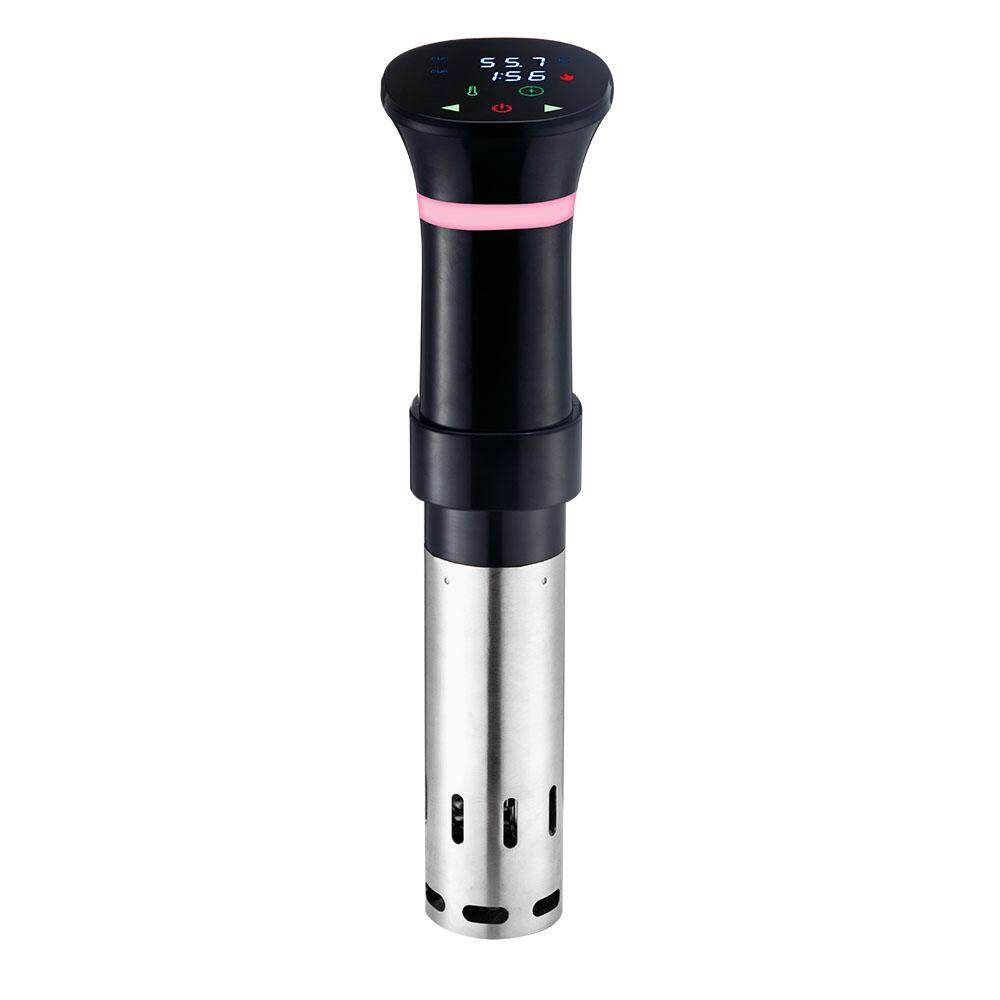
WIFI Kitchen Sous Vide Cooker Immersion Circulator With Accurate Temperature Control Digital Display EU Plug EU Plugwifi
₦ 597,634.09
₦ 629,088.52
-5%

Featured Products
000RENG675572
Rehmie.com.ng
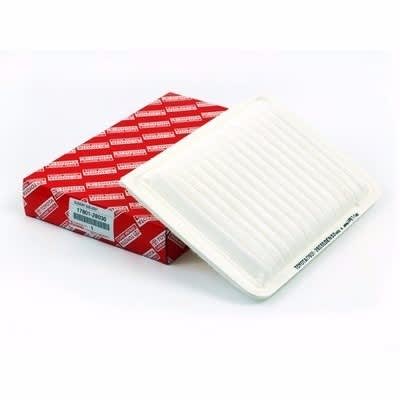
Toyota Engine Air Filter-20040
This is a genuine Toyota OEM filter that is put in your vehicle when it is brought in for service at your local Toyota dealer.
This item is made out of cotton or fabric-like material, and is made to increase airflow through the filter. The air filter is an important part of a car's intake system, because it is through the air filter that the engine "breathes." An engine needs an exact mixture of fuel and air in order to run, and all of the air enters the system first through the air filter. The air filter's purpose is to filter out dirt and other foreign particles in the air, preventing them from entering the system and possibly damaging the engine.
Your car's air filter should be changed at least once a year. However, an air filter may need to be changed more frequently if you live in an area with dirt roads or heavy pollution or dusty areas, as these factors can cause an air filter to become dirty more quickly. You can have a mechanic inspect your air filter, and change it if necessary, during an oil change or your yearly tune-up. A clean air filter is important for your car's performance.
This means that your air filter should be changed regularly, or your gas mileage will suffer. A dirty air filter can also cause other systems to run ineffectively, such as your emission control system, which regulates the car'sair-fuel mixture. A dirty air filter can also cause your spark plugs, which ignite the fuel in the combustion chambers, to foul, as there will be too much fuel without enough air; if your spark plugs foul, you may have problems keeping your car running.
000RENG660602
Rehmie.com.ng
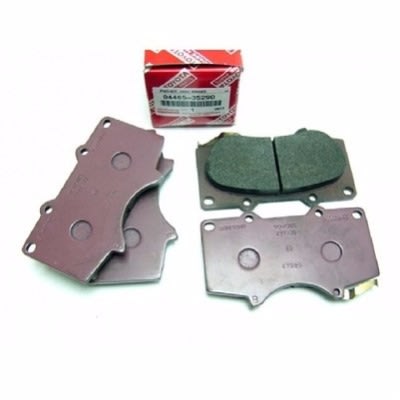
Toyota Front Brake Pads - 35290
PRADO 2002-2015,HILUX 2007-2015,FORTUNER 2008-2015,4RUNNER 2002-2015,FJ CRUISER 2007-2015,TUNDRA 1999-2006,SEQUOIA 2002-2006.
Brake pads convert the kinetic energy of the car to thermal energy by friction. Two brake pads are contained in the brake caliper with their friction surfaces facing the rotor.[1] When the brakes are hydraulically applied, the caliper clamps or squeezes the two pads together into the spinning rotor to slow/stop the vehicle. When a brake pad is heated by contact with a rotor, it transfers small amounts of friction material to the disc, turning it dull gray. The brake pad and disc (both now with friction material), then "stick" to each other, providing the friction that stops the vehicle.
In disc brake applications, there are usually two brake pads per disc rotor, held in place and actuated by a caliper affixed to a wheel hub or suspension upright. Although almost all road-going vehicles have only two brake pads per caliper, racing calipers utilize up to six pads, with varying frictional properties in a staggered pattern for optimum performance. Depending on the properties of the material, disc wear rates may vary. The brake pads must usually be replaced regularly (depending on pad material), and most are equipped with a method of alerting the driver when this needs to take place. Some are manufactured with a small central groove whose eventual disappearance through wear indicates that the pad is nearing the end of its service life. Others are made with a thin strip of soft metal in a similar position that when exposed through wear causes the brakes to squeal audibly. Still others have a soft metal tab embedded in the pad material that closes an electric circuit and lights a dashboard warning light when the brake pad gets thin.
000RENG646714
Rehmie.com.ng
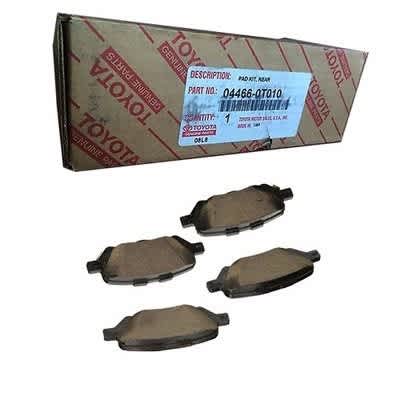
Toyota 04466-0T010 Rear Brake Pad - VENZA '10-15'
If car parts are alive, the brake pads live the worst lives. In fact, they are the most expendable car part there is. They are always in constant pressure and are always in the heat of the action. They are the most frequently changed car part. But the most important thing is, their passenger's lives are in their hands. Brake pads are designed to endure high friction. They are made to make contact and consequently generate heat. They are the most hardy of the hardy.